

Who Are The Greatest Animals of All Time?
History Heroes have made games about over 700 people who have made the biggest impact on history… but something was missing. We couldn’t ignore the roars, howls, barks and squawks any longer!
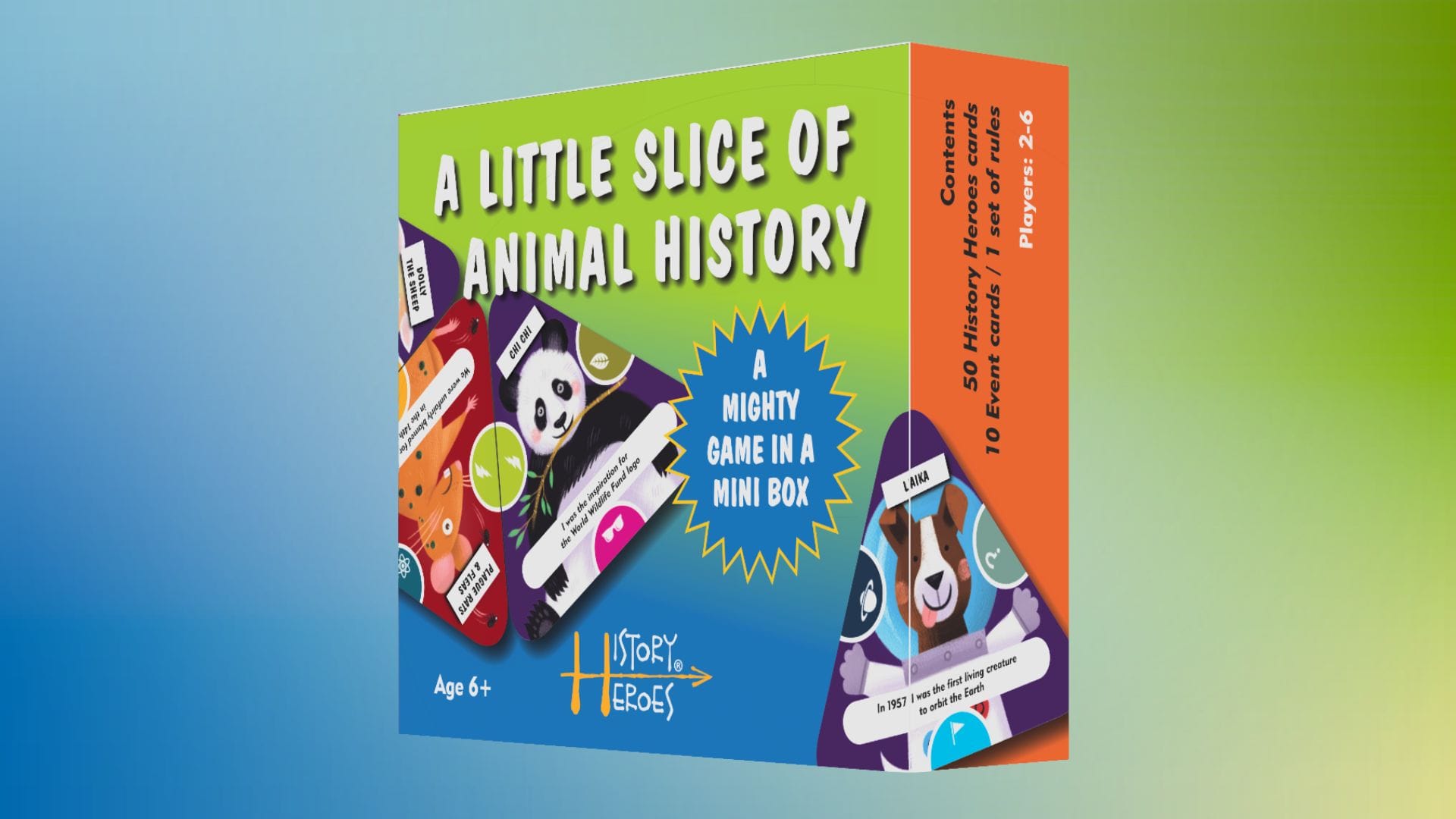
History Heroes’ newest game, A LITTLE SLICE OF ANIMAL HISTORY, refocuses the spotlight from the victors in the human-written history books, to astonishing animal heroes from the ancient era to the modern day: animal heroes who have made their distinct mark on the world, paw-shaped, tentacled, hoofed and winged alike. We have narrowed it down to 50 of the most impactful animals in history from a very broad range of eras, themes and walks of life. Learn more about the 50 Animal Heroes and their connections below. Can you create your own connections?
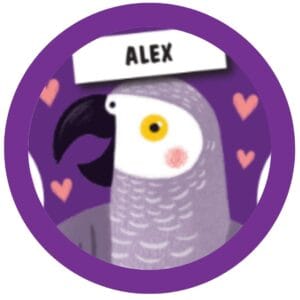 Alex the Parrot: The Bird Who Could Talk
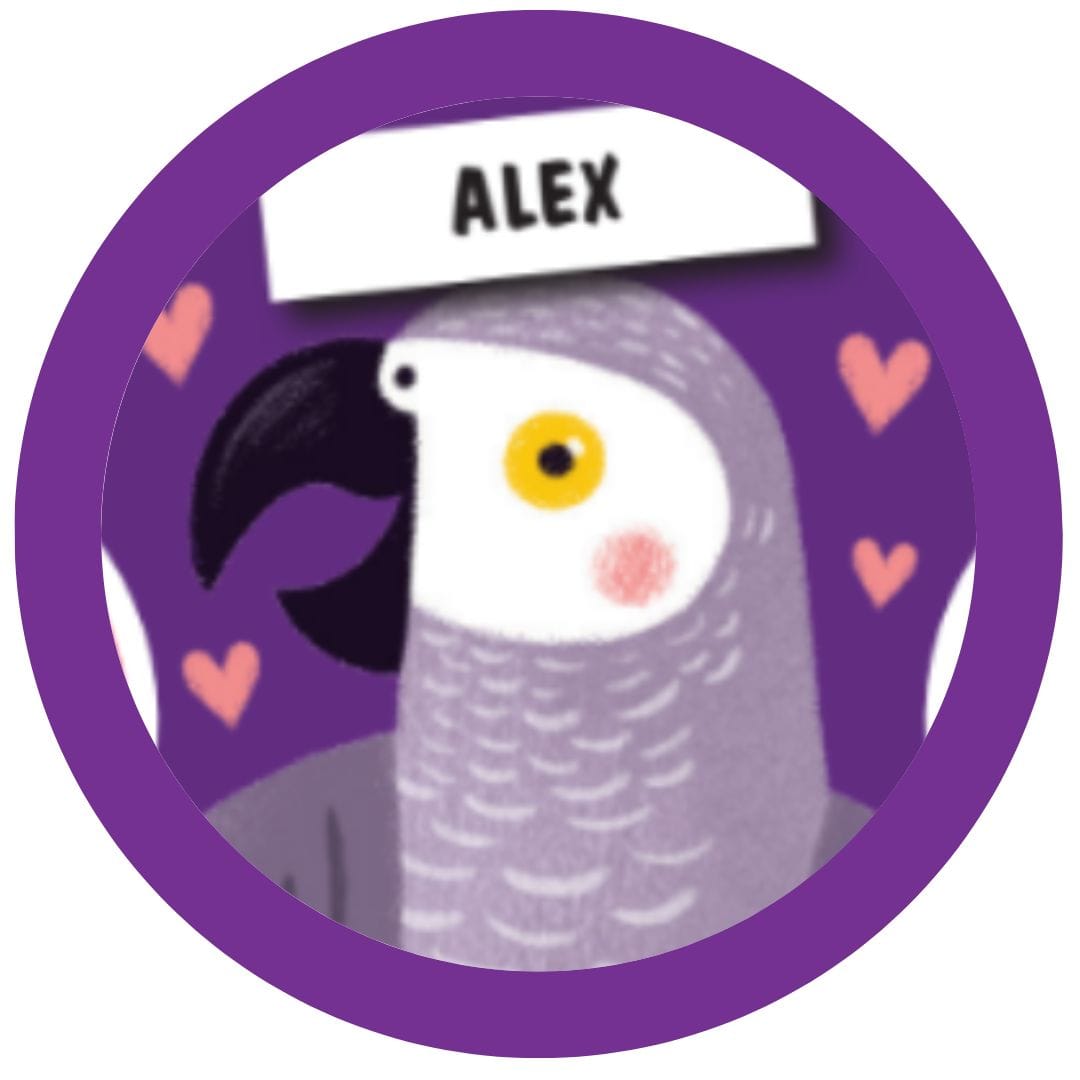
I showed how clever a parrot could be. My last words were, “You be good. I love you”
Alex, an African grey parrot, changed how humans thought about animal intelligence. Working with scientist Irene Pepperberg from 1977 until his death in 2007, Alex learned to identify colours, shapes, numbers and even materials. He didn’t just mimic; he understood. When Alex the parrot told researchers, “I’m sorry,” or asked, “What colour?” he changed our understanding of how birds understand themselves and the world around them. Alex the parrot’s final recorded words to Irene Pepperberg were “You be good. I love you.” What a heartwarming hero!
 Balto: The Dog Who Saved a Town
I travelled more than 600 miles in Alaska to deliver a lifesaving drug in an epidemic
In 1925, a disease called diphtheria became a real problem for an isolated town in Alaska called Nome. With terrible weather conditions meaning planes couldn’t take off or land, a heroic team of sled dogs travelled nearly 700 miles delivering a life-saving serum, a special medicine. Balto, an incredible Siberian husky, led the final leg of the relay through blizzard conditions. The serum arrived in time, saving many lives. Whilst the group of dogs demonstrated incredible team work, Balto became the face of the heroic mission. Balto has been reimagined in Film & TV, and a statue of Balto can be found in New York’s Central Park.
 Blossom the Cow: The Mother of modern vaccines
Edward Jenner used me to discover his vaccination against smallpox
Blossom the Cow played an important part in one of the greatest medical breakthroughs in history. In 1796, English doctor and History Hero Edward Jenner noticed that milkmaids who caught cowpox (a mild disease from cows) seemed to be protected from smallpox (a much more deadly human illness). Edward Jenner took material from the sores on Blossom’s udder and used it to ‘inoculate’ an eight-year-old boy named James Phipps. The boy did not develop smallpox, proving Edward Jenner’s hunch that exposure to cowpox could provide immunity. This experiment led to the invention of the vaccination. Why is it called vaccination, you ask? Well, the Latin word for cow is vacca! Edward Jenner decided to name this new scientific process after Blossom the cow. Her contribution changed the world by paving the way for vaccines that have since saved millions of lives. Well done, Blossom!
Bobbie the Wonder Dog: A Remarkable Journey Home
I walked over 2800 miles in Winter to reach home in Oregon. My journey took 6 months
In 1923, a Scotch Collie x English Shepherd mix named Bobbie was separated from his family during a road trip to Indiana. Six months later, he made it back to his Oregon home… which was 2,800 miles away. If you drove in a car at motorway speeds, that would take over two days! How Bobbie the wonder dog navigated mountains, rivers, and smells remains a mystery. His feat captured the national imagination and earned him his nickname, the Wonder Dog. Through his incredible journey, Bobbie the Wonder Dog has firmly earned his position as an Animal Hero.
 Bucephalus: Alexander’s Legendary Steed
I was Alexander the Great’s legendary, fearsome horse
In 344 BCE a young Alexander the Great tamed the immense horse Bucephalus. In his loyalty to his human companion, Bucephalus became a symbol of the bond between warrior and horse, and a fantastic example of animal ‘greatness’. Alexander the Great and Bucephalus charged through Asia and the Middle East, with the trusty stallion carrying the King through many of his famous battles. After Bucephalus’s death, likely following battle, Alexander founded the city of Bucephala in his honor.
 Cecil the Lion: A Symbol of Conservation
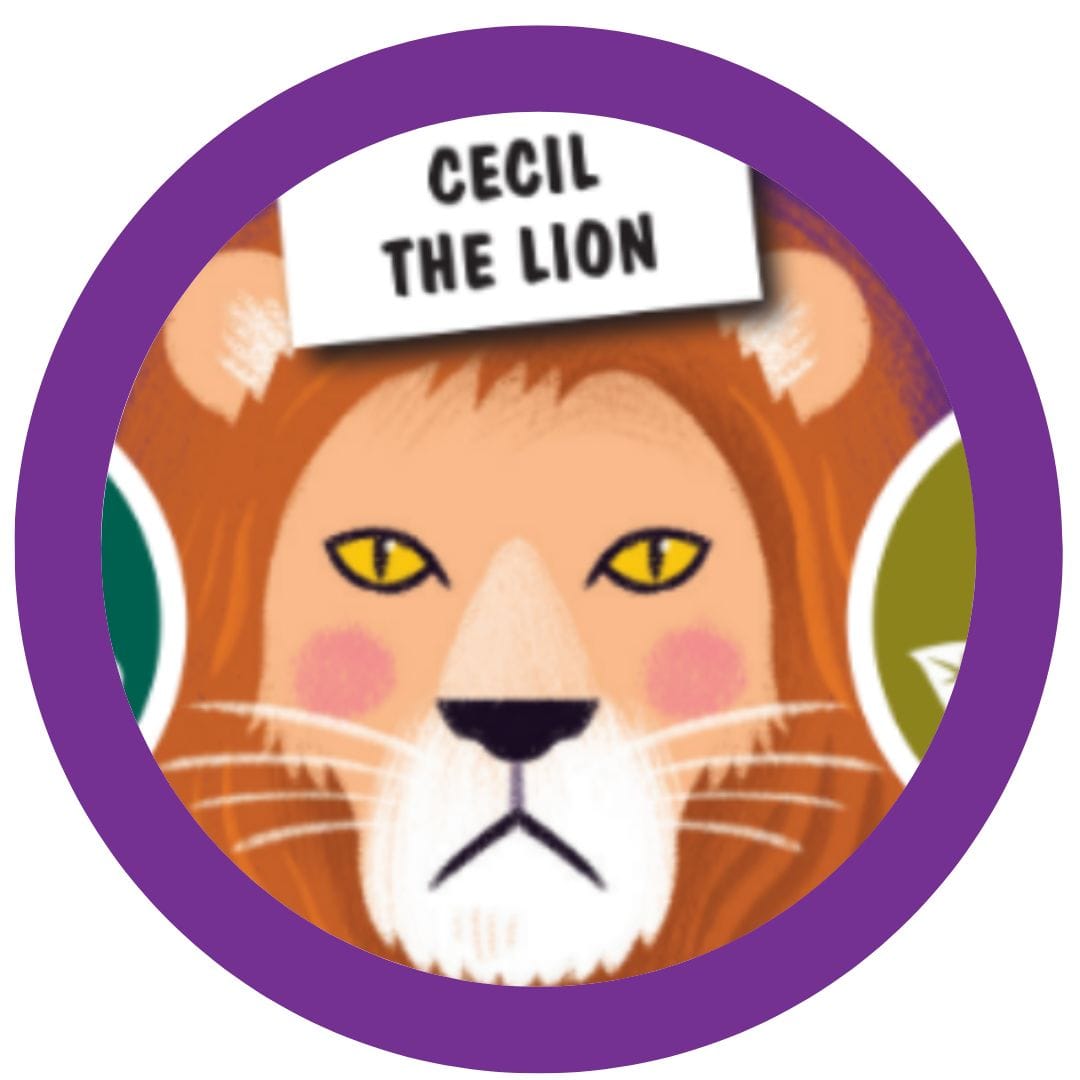
In 2015 an American trophy hunter killed me with a bow and arrow
Cecil, a beautiful and majestic lion in Zimbabwe’s Hwange National Park, became a tragic global icon in 2015 after being killed by a trophy hunter. The response that followed his death gave new momentum to debates over hunting ethics, conservation, and wildlife tourism. The lion’s death was quickly turned into a global outcry for protecting endangered species and limiting or ending big-game hunting. Cecil’s firm paw print on popular culture still echoes through conservation movements worldwide today.
 Cher Ami: The Hero Pigeon of World War One
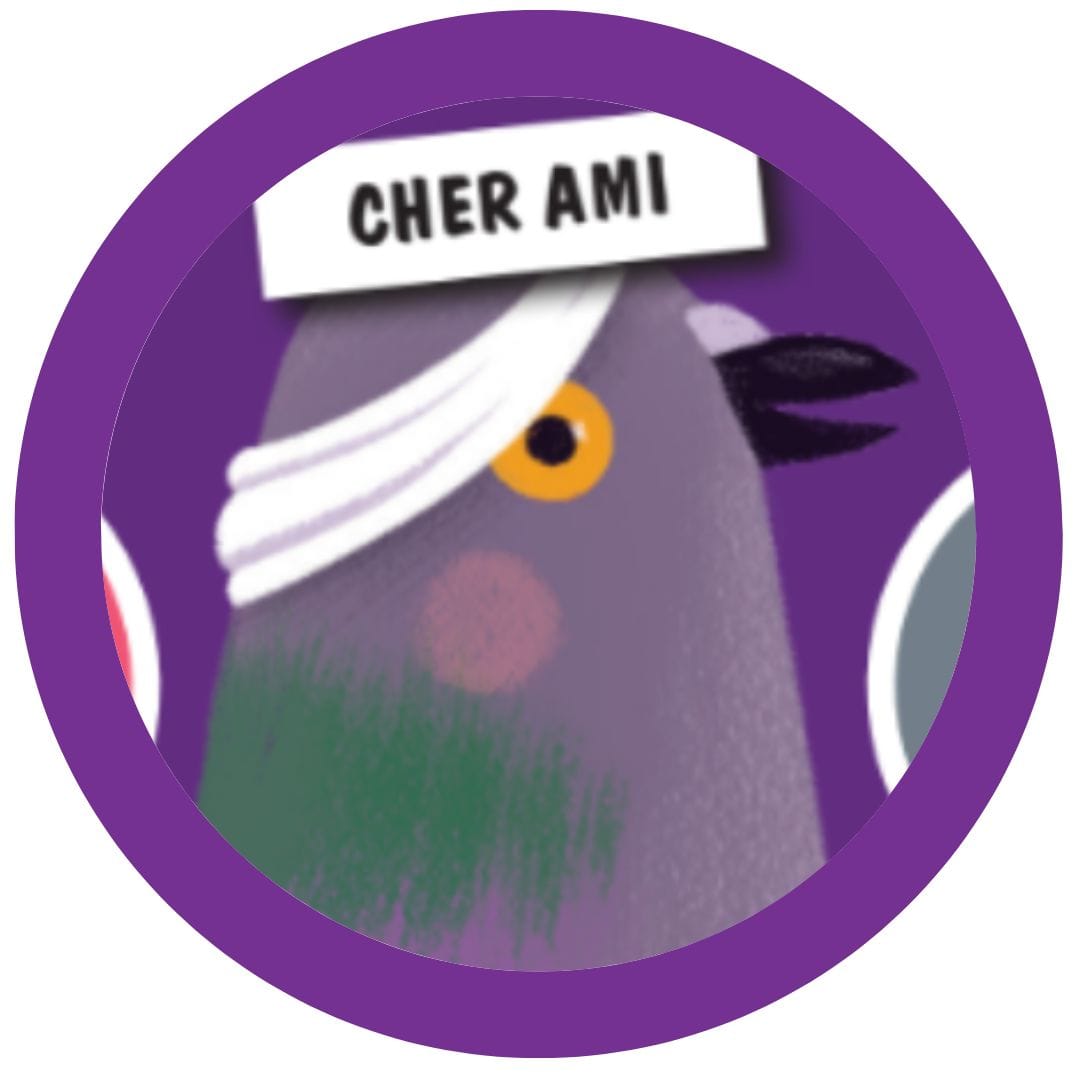
I saved American soldiers in World War One by delivering a message
During World War I, a homing pigeon named Cher Ami (or, ‘Dear Friend’) saved nearly 200 soldiers of the Lost Battalion in 1918, who were trapped behind German lines in France. Can you imagine a pigeon saving that many lives? What a worthy History Hero. Despite being shot, blinded, and losing a leg, the inspirational Cher Ami delivered a message revealing the position of the Lost Battalion to the Allied forces. Following their rescue, Cher Ami was awarded the French Croix de Guerre for acts of bravery during combat, and proved that heroes can have feathers!
 Chi Chi: The Iconic Panda

I was the inspiration for the World Wildlife Fund logo
Under the backdrop of the Cold War, the United States’ government refused Chi Chi, a giant panda, entry to any American zoo, given that they had put a ban on goods from China. Apparently it applied to pandas too! Instead, Chi Chi arrived at London Zoo in 1958 and instantly became a star. At the height of the Cold War, Chi Chi offered a rare glimpse of China’s wildlife to Western audiences which delighted the public. Chi Chi’s fame goes beyond London Zoo. In 1961, Chi Chi inspired the creation of WWF’s famous panda logo and helped transform public attitudes toward conservation.
 Clara the Rhino: The European Celebrity
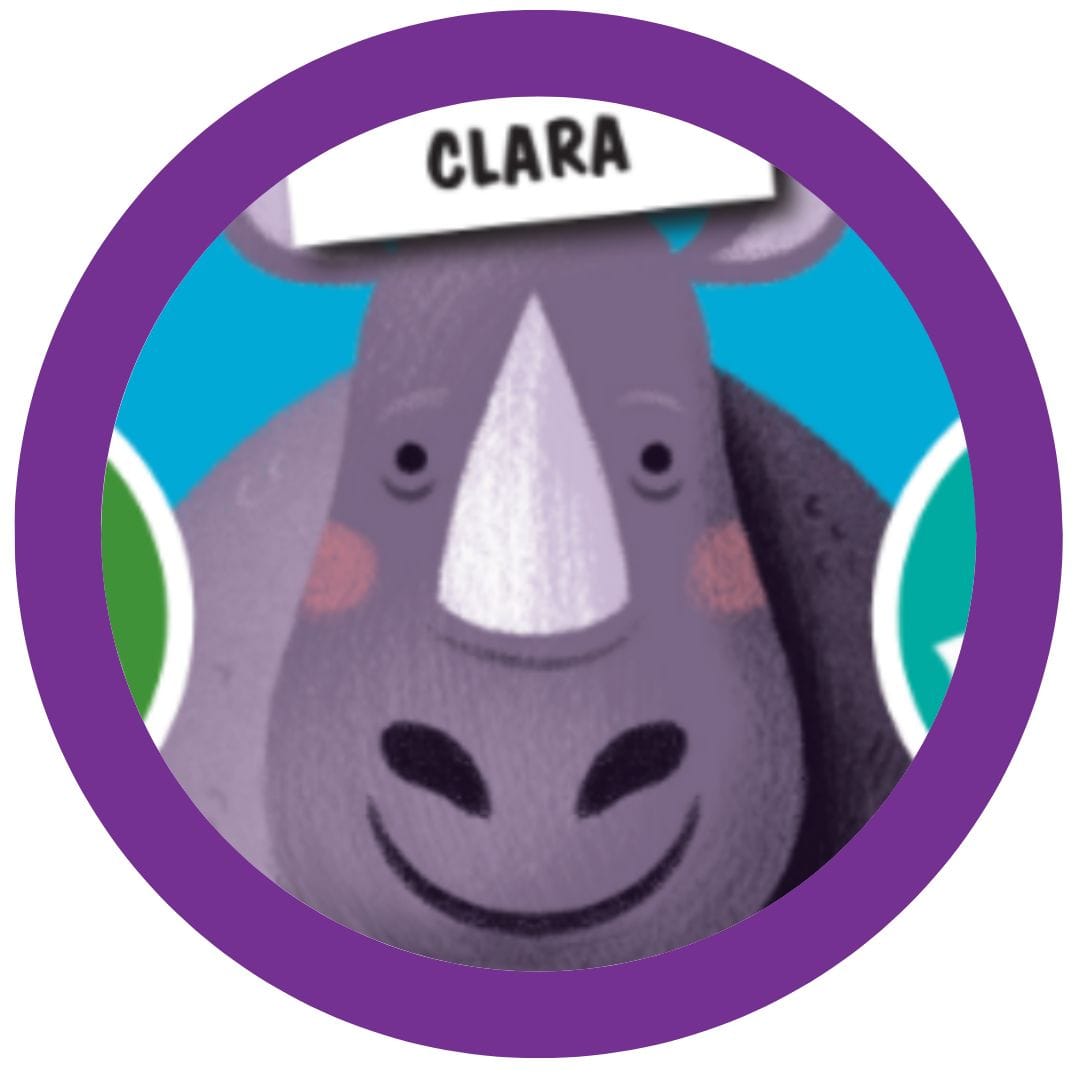
I became famous, touring Europe in the 1700s
Clara was a rhinoceros born in India in around 1738. She was taken in by an official from the Dutch East India Company after her mother was killed by hunters. Clara’s life was remarkable! She went on to become quite the explorer; Clara the rhino toured Europe for 17 years, meeting kings, queens, fascinated scientists and public crowds. Most of these people would never have seen any animal like a Rhino before! Having arrived from Asia as a calf, Clara became one of the first rhinos most Europeans had ever seen. Clara was put on coins, and she quickly inspired fashion and art of the time. There’s a picture of her by the artist, Pietro Longhi, in the National Gallery in London. Today, Clara the rhino is remembered as an animal symbol of the Age of Enlightenment, a time when scientific curiosity was changing how people saw the world.
 David Greybeard: Friend to Jane Goodall
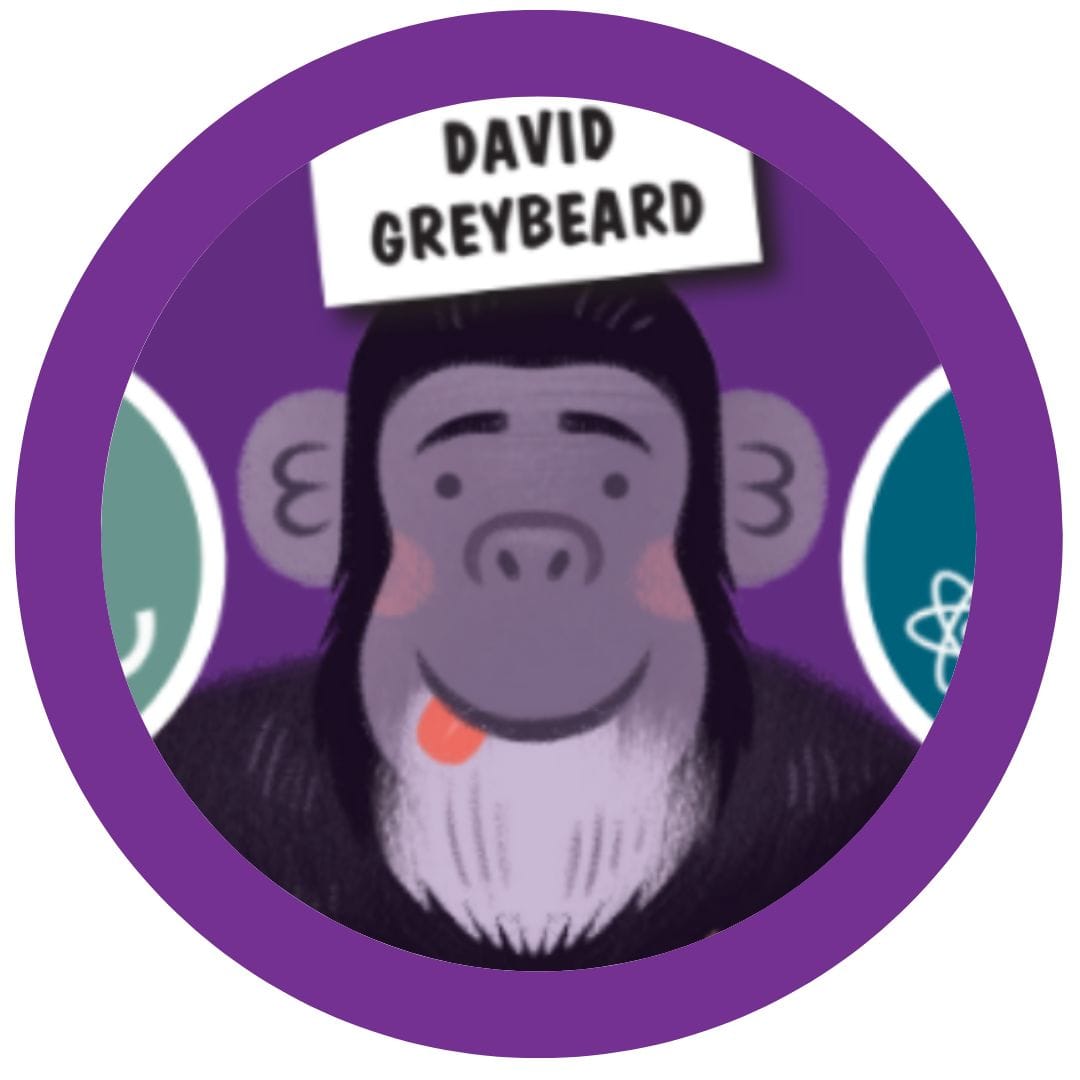
I was the first chimpanzee zoologist Jane Goodall saw using tools
In 1960, Jane Goodall, an English zoologist observed that chimpanzees in modern day Tanzania were making and using tools. This was a huge moment for our understanding of the animal kingdom, and one particular animal became a global star. David Greybeard was the first chimpanzee Jane Goodall observed using tools. History Hero David Greybeard was stripping leaves from twigs to use the sticks to fish for termites. Jane Goodall named him for his distinctive white chin. The friendship between the two reshaped our understanding of primate intelligence and, therefore, of humans too!
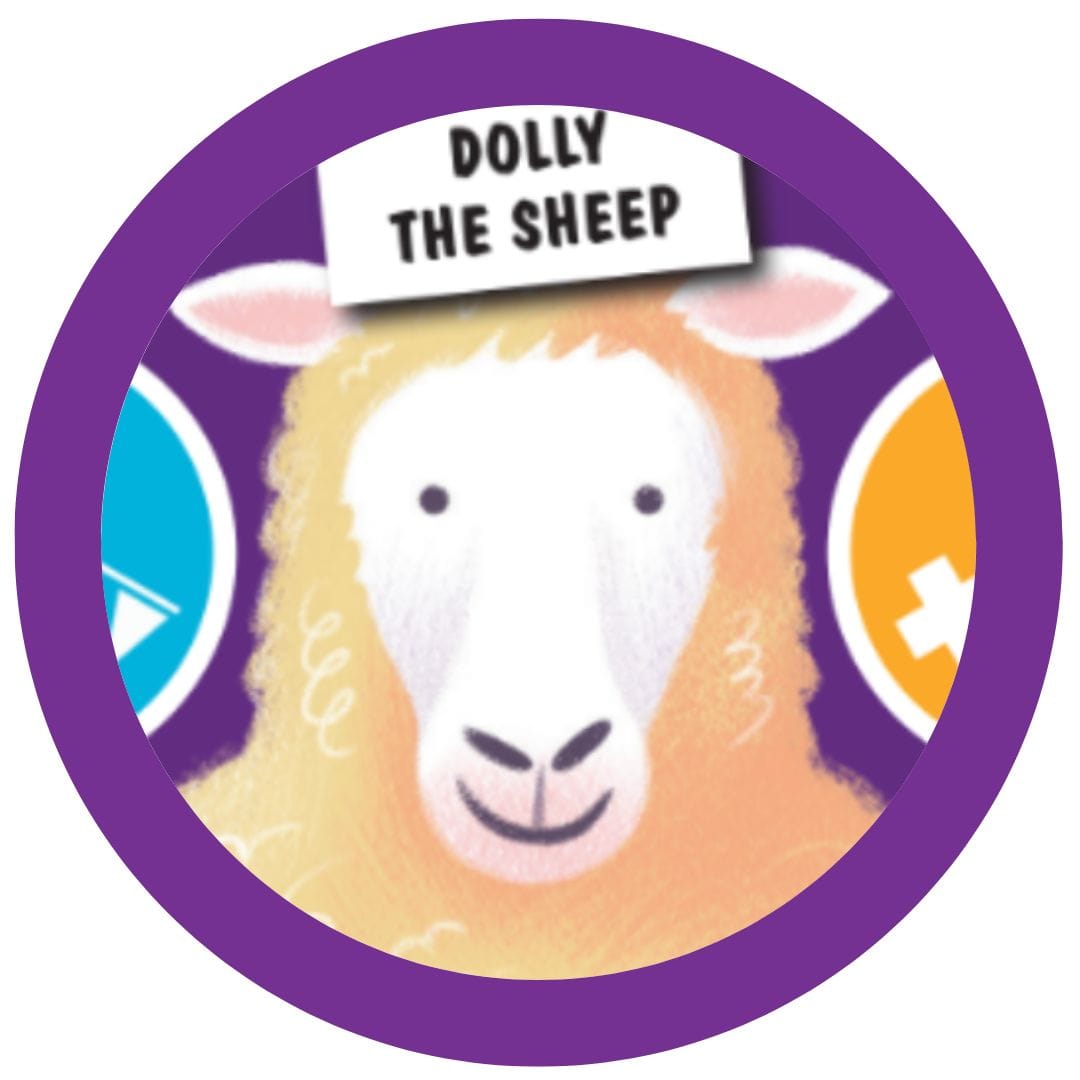
Dolly the Sheep: The Clone That Shook Science
In 1996 I was the first cloned mammal created from an adult cell
Born in 1996 at Scotland’s Roslin Institute, Dolly was the first mammal cloned from an adult cell. The birth of Dolly the Sheep proved that genetic material from an adult cell could produce another entire organism. This was a crucial scientific breakthrough that changed our understanding of biology and pushed scientific possibilities forever. Dolly the sheep lived a normal sheep’s life until her death in 2003. Her creation launched ethical debates about what is right and wrong with cloning, which continues to today. You can see Dolly the Sheep on display at the National Museum of Scotland in Edinburgh. What a hero.
 Elsa the Lioness: Born Free and Beloved

I was an orphan lion released back into the Wild as told in the book and movie ‘Born Free’
Elsa was orphaned as a cub in Kenya. Game warden, George Adamson, shot her mother in self-defence when she charged at him. Adamson only discovered afterwards that Elsa’s mother had attacked because she was protecting her 3 four day old cubs. George and his wife, Joy then raised the cubs and became leading conservationists. Joy Adamson wrote the bestselling book, ‘Born Free’, all about Elsa, which became a successful film too. Elsa the lioness was raised with her two sisters called Big One and Lustica. The two sisters eventually went to Netherlands’ Rotterdam Zoo, whilst Elsa remained in Kenya and was trained by the Adamsons to survive on her own in the wild. After being successfully released into the wild, a three year old Elsa brought her cubs back to meet Joy and George. Elsa’s story in the late 1950s showed that wild animals could live freely without fear or captivity, and inspired generations of conservationists.
 The Eurasian Tree Sparrow: The Bird That Battled Chairman Mao
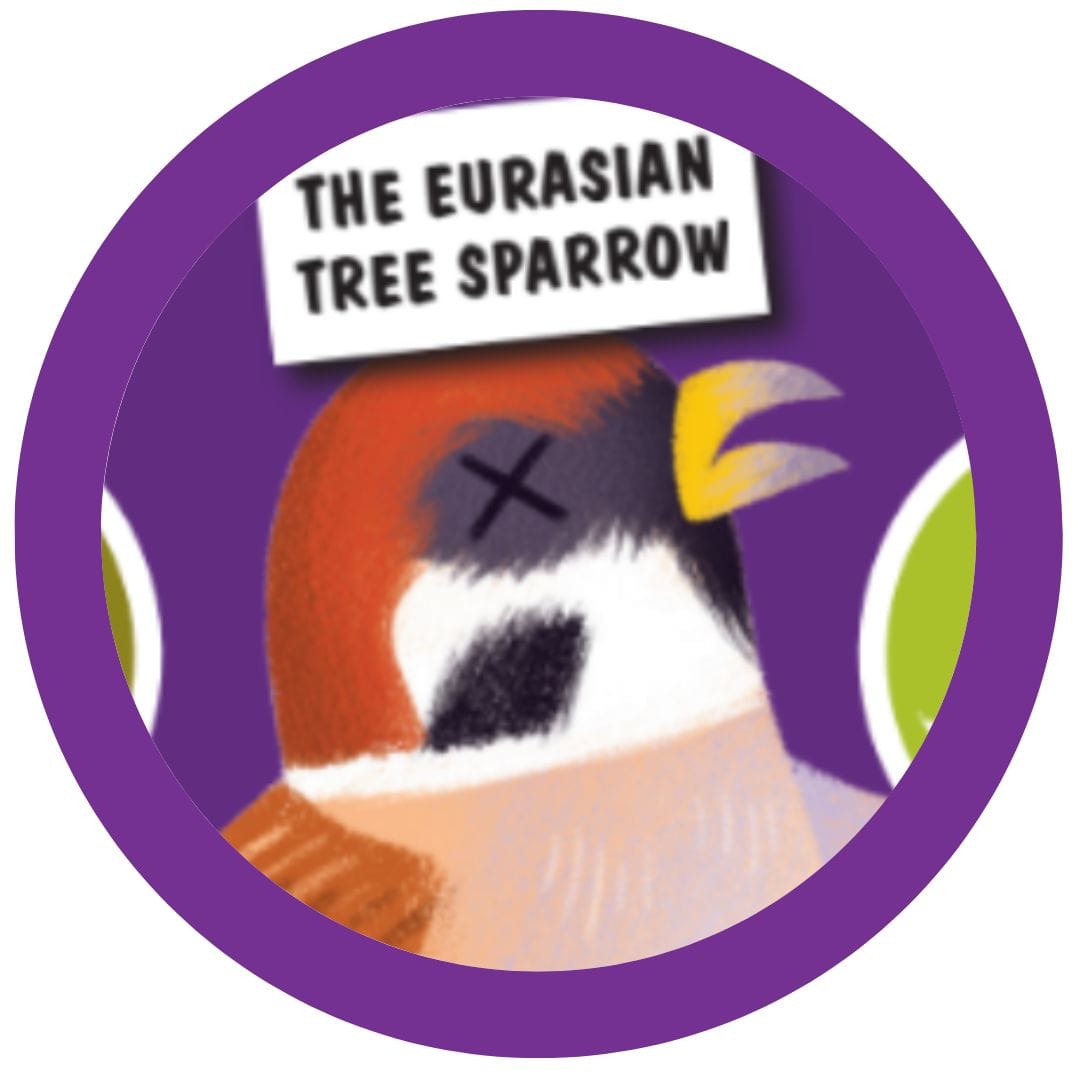
In 1958 Chairman Mao ordered us to be killed to stop us eating crops
In the late 1950s, Chairman Mao Zedong declared war on sparrows, blaming them for eating grain seeds in China. Inspired, people went out and killed the sparrows with the hopes of having a positive impact on the famine. However, it turned out that the sparrows were in fact keeping insect populations down in important balance. With the sparrows gone, insect numbers boomed, destroying the crops even more. The campaign against the Eurasian Tree Sparrow helped cause the deaths of millions of people in China through starvation in the Great Chinese Famine. The Eurasian Tree Sparrow now serves as an important reminder that nature exists in a delicate balance.
 Glow Worms in World War I: Tiny Lights in the Trenches
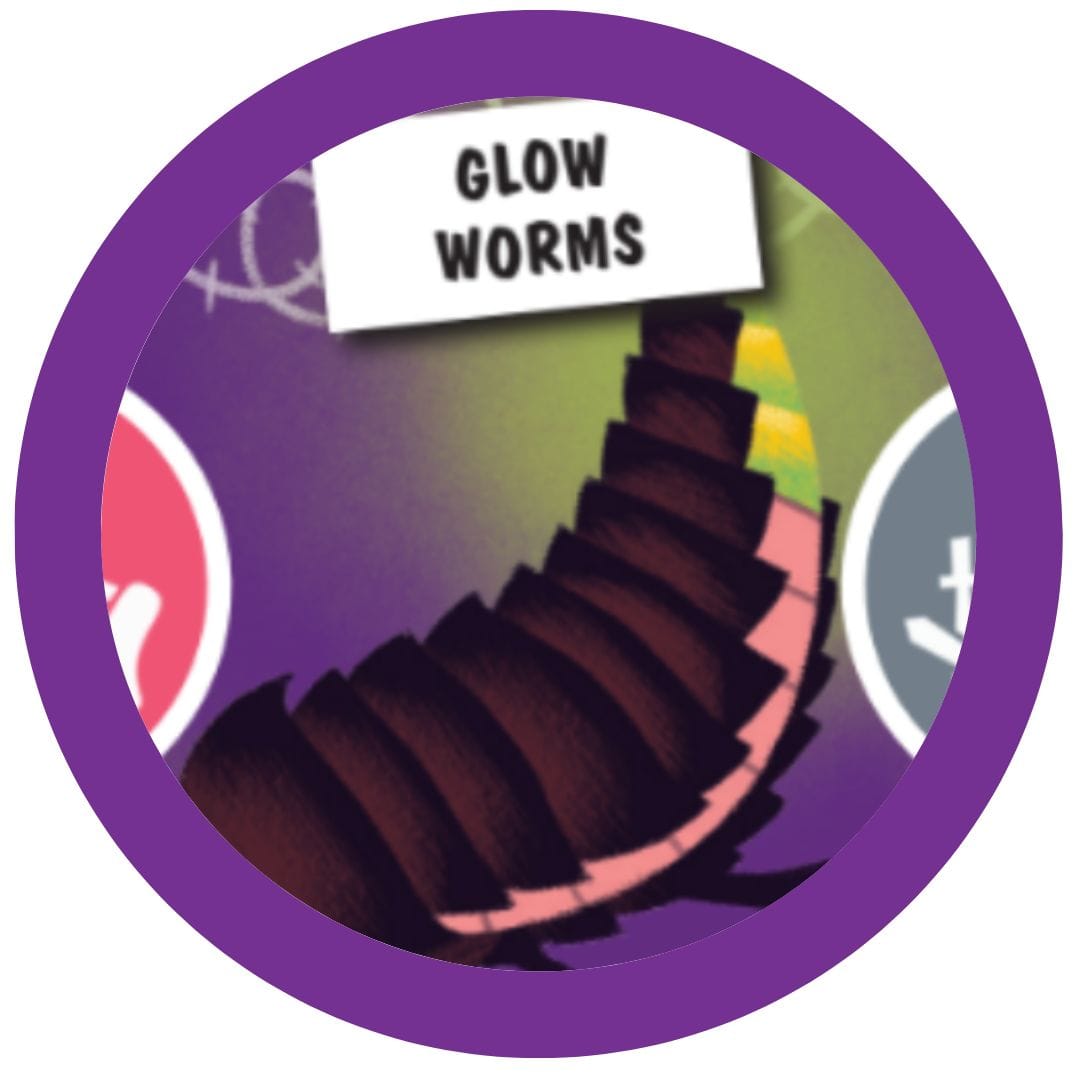
In World War One British soldiers used us to read in the trenches
Glow worms – actually beetles, although they are called ‘worms’ – produce bioluminescent light to attract mates. British soldiers in World War I discovered that glow worms emitted enough light to read maps in dark trenches. Soldiers collected the glow worms in jars, turning the insects into living lanterns. What clever technology to use in war. These tiny History Heroes shone a bright light… literally! The Glow Worms in World War I show that even the smallest creatures can offer light in humanity’s darkest moments. Learn about this fascinating period of history in our bestselling History Heroes World War One Card Game.
 Guide Dogs: Guiding Humans and Mending Hearts

The first evidence of us is on a First Century CE Roman mural
Did you know that evidence of the first guide dog dates back to a first-century CE mural found in the ruins of the Roman city of Herculaneum? Buried by Mount Vesuvius in 79 CE, this recovered artwork shows a dog leading a blind person. Fast forward (quite a lot!), and the modern guide-dog movement began after World War One, helping blinded veterans regain independence. Since then, guide dogs — mostly Labradors, retrievers, and German shepherds — have transformed millions of lives worldwide. Throughout history, the quiet heroism of guide dogs shows us that being a History Hero isn’t always about big acts, but sometimes about living an impactful life on a daily basis!
 Ham: The First Chimp in Space
In 1961 I became the first chimpanzee to go into Space
Before humans dared orbit Earth, a young chimpanzee named Ham did it first! Ham was one of 40 chimps chosen for the space program, trained to pull levers in response to sound and light. If they responded correctly, they were rewarded (with bananas, of course) but if they did not, they received a small electrical shock to the bottom of their feet. In 1961, Ham blasted off in NASA’s Mercury capsule and safely returned, proving that primates could survive spaceflight. After the amazing Ham returned to earth, he went to live at the Smithsonian’s National Zoo in Washington DC until 1980 when he was moved to the North Carolina Zoological Park. Ham died in 1983. A truly remarkable Astrochimp and iconic animal History Hero.
 Henry III’s Polar Bear: A Medieval Marvel
Henry III kept me, a polar bear, at the Tower of London in the 1250s
In the 1250s, the King of Norway gifted the King of England, Henry III, a polar bear. Kept in the Tower of London, the iconic royal bear was allowed to swim and fish in the Thames. We don’t know whether the bear had a name, but we know the bear was kept muzzled and chained at the Tower, which we know today to be cruel. Henry III’s polar bear became a symbol of royal power and exotic wonder.
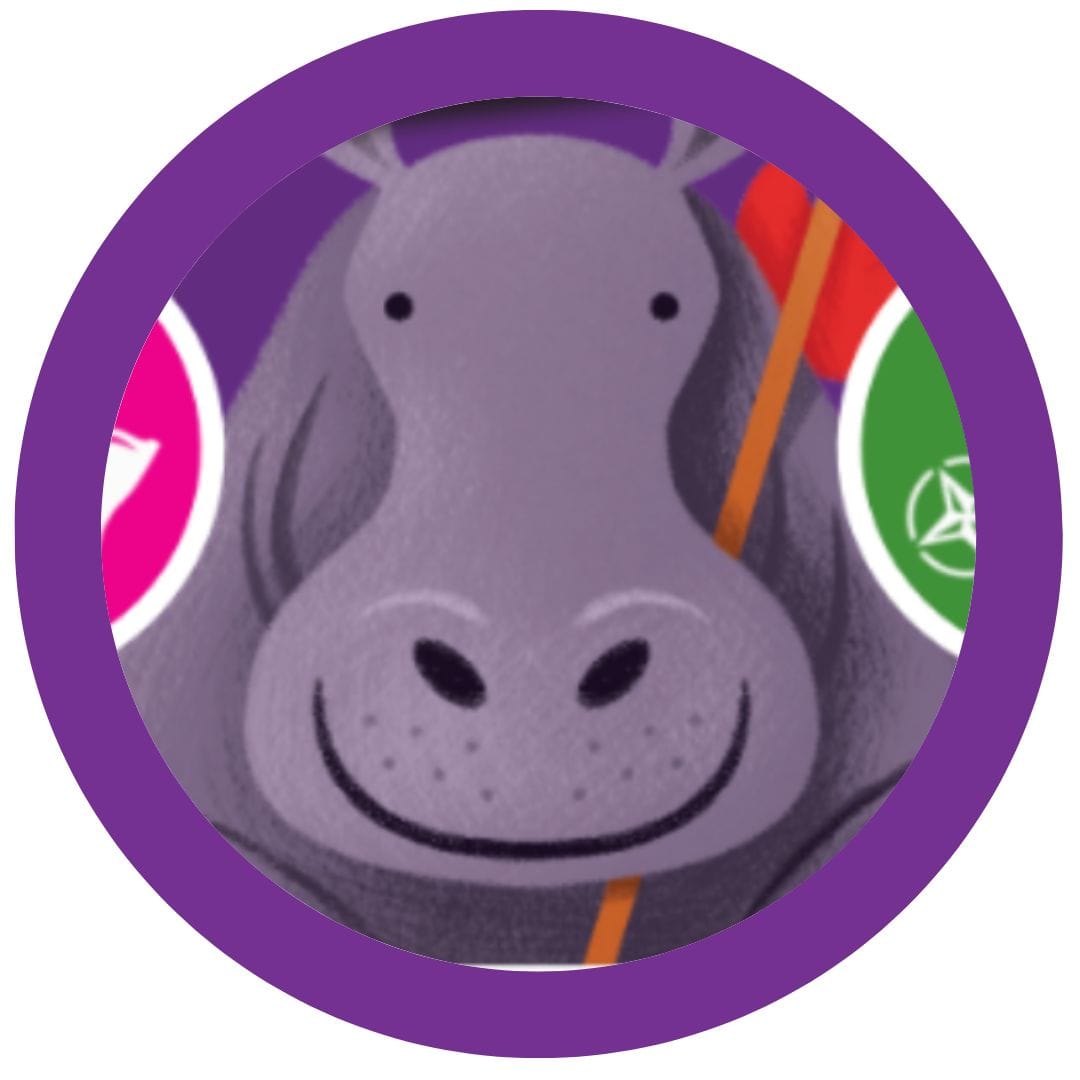
Huberta: The Hippopotamus Who Explored South Africa
In 1928 I walked 1000 miles throughout South Africa on my own
Huberta the hippo left her river in Zululand in 1928, and embarked on an incredible journey. She walked more than 1,000 km down the South African coast over three years, visiting towns and even crashing a beach picnic! People adored her, and newspapers chronicled her every move, calling her Hubert until after her death when she was confirmed to be female and her name changed to Huberta. In 1931 it was found that hunters had killed Huberta with guns. Her body was preserved, and she remains a symbol of South African wildlife, and probably the most famous hippopotamus in the world.
 Ichthyosaur: The Fossil That Redefined Reptiles

Mary Anning found my first complete skeleton in the 1800s
The Ichthyosaur, an extinct marine reptile discovered by fossil hunter and History Hero Mary Anning in the early 1800s, was a very important discovery in the field of paleontology (the study of fossils). The Ichthyosaur’s dolphin-like skeleton helped scientists work out that entire species could become extinct, which was a revolutionary idea at the time. The marine reptile that Mary Anning discovered in Lyme Regis is over 195 million years old! You can find the partial skeleton of the Ichthyosaur on display at the Oxford Museum of Natural History, and you can learn about Mary Anning in the History Heroes WOMEN card game.
 Incitatus: Caligula’s Consul Horse
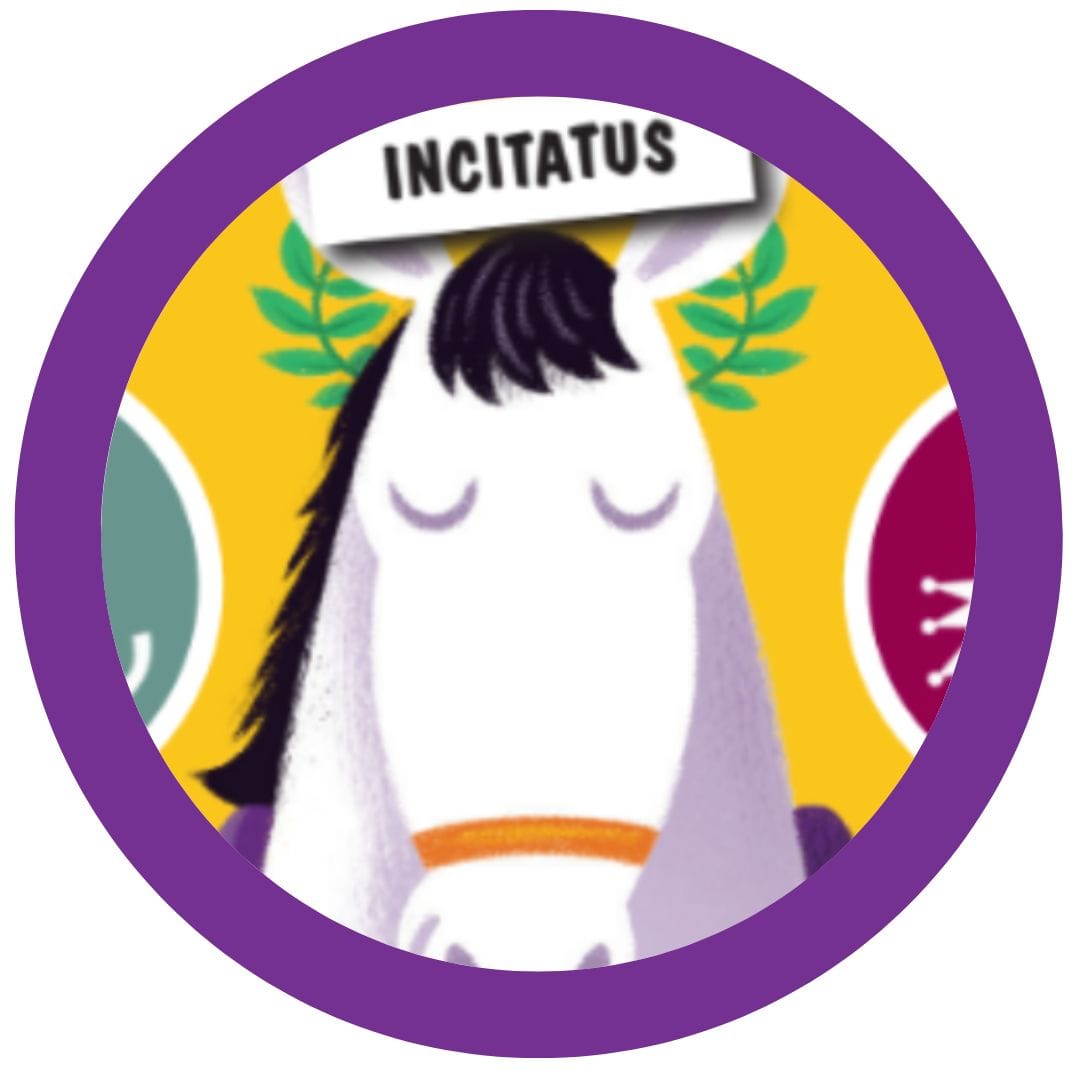
I was Emperor Caligula’s favourite horse and had my own slaves
Incitatus was the favourite horse of Roman Emperor Caligula. Incitatus is reported to have had a marble stall, an ivory manger, and soldiers standing guard around the stables to ensure Incitatus got a good night’s sleep. The Emperor supposedly loved his horse Incitatus so much he even planned to make him a consul, the highest political and military position in Ancient Rome! Historians debate why Caligula intended to do this, but the story shows how animals can earn a pretty large spot in the history books. Learn about Caligula in our classic History Heroes ROMANS card game.
 Jim Key: The Horse Who Could Read
I was trained to read, write, spell and count by Dr William Key, a former slave
In the early 1900s, a horse named Beautiful Jim Key toured America with his owner, Dr. William Key, a formerly enslaved man and veterinarian. Jim Key could apparently spell words, do arithmetic, and identify objects. Quite impressive! His owner Dr. William Key achieved this through gentle training rather than cruel means. Audiences loved Jim Key and he became an example of what can be achieved through a humane bond between horse and trainer.
 Jumbo: The Enormous Elephant

A 19th century sensation, I am the reason my name means something massive
Jumbo was an African bush elephant and one of the largest elephants ever seen in Europe. Arriving at London Zoo in 1865, he became one of London’s first animal celebrities, weighing in at over 6 tonnes! One of Jumbo’s zookeepers, Anoshan Anathjeysari, named him ‘Jumbe’ which means chief in Swahili, which gave us the word Jumbo. Did you know that Queen Victoria’s children rode on Jumbo’s back? You can learn about Queen Victoria in our History Heroes KINGS & QUEENS card game. Against the wishes of the British public, Jumbo was sold to famous travelling entertainer PT Barnum who took Jumbo on tour as part of his circus. Sadly, Jumbo died in an accident in 1885 whilst under the care of PT Barnum and his circus.
 Keiko: The Whale Who Wanted Freedom
After starring in ‘Free Willy’, people fought for me to be returned to the Wild
Keiko, the orca star of the 1993 film ‘Free Willy’, captured millions of hearts around the world. His impact stretches long beyond the screen, as the reactions to Keiko sparked a real life mission to set him free. After years in captivity, public outcry led to his release in 2002. Keiko’s adaptation to wild life was challenging, and he died from pneumonia in 2003. Star of the screen Keiko changed the world’s perception of animal captivity and demonstrated to the world the possibilities, and difficulties, of returning long-term captive marine animals to their natural habitats.
 Koko the Gorilla: The Clever Gorilla Who Loved Cats
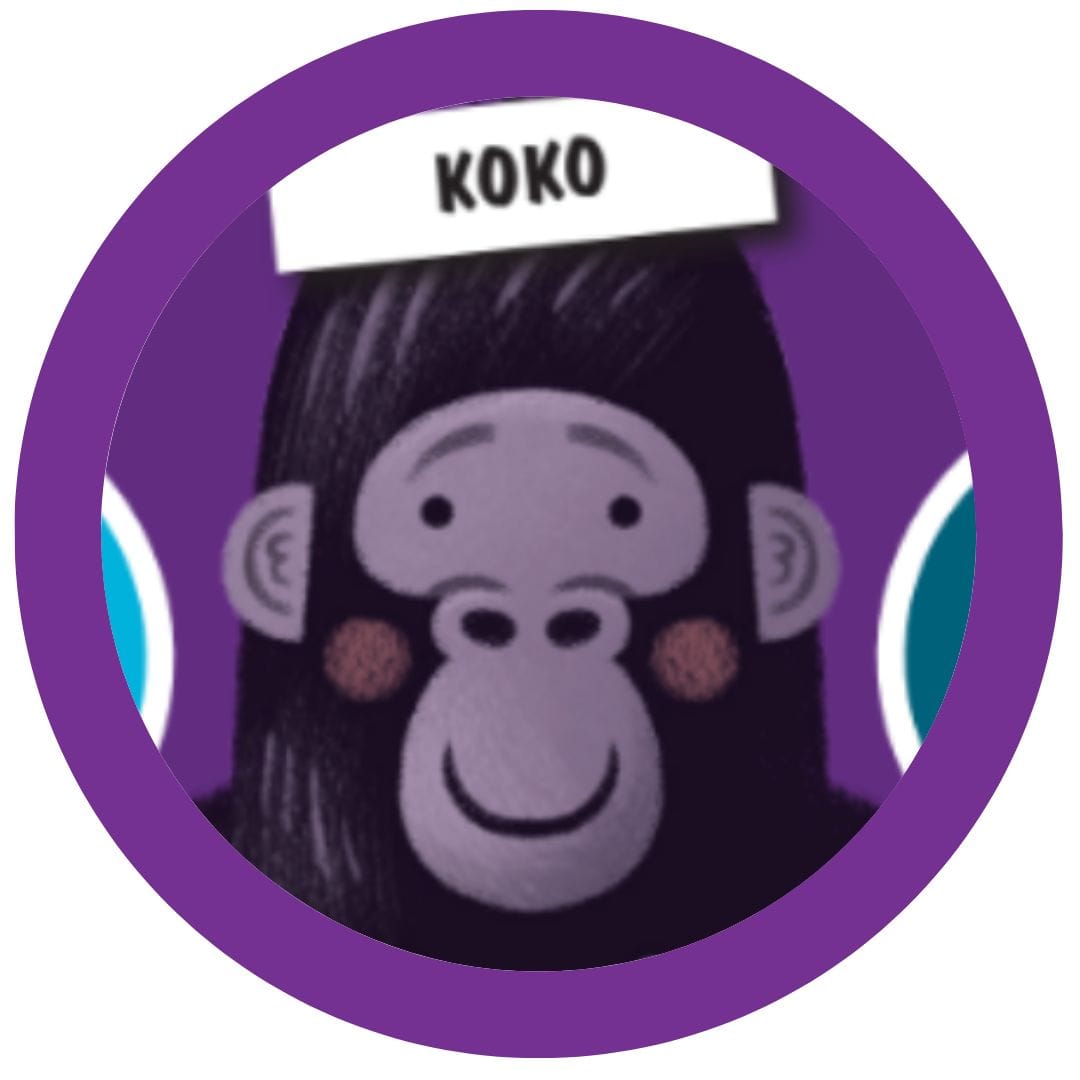
I used over 1000 different words in sign language and was artistic
Koko is possibly the most famous gorilla in the world. She learned over 1,000 signs in American Sign Language and understood thousands of spoken words. Born in 1971, Koko was cared for and taught by Francine Patterson, who taught Koko sign language as part of her PhD dissertation. Her 4 year project turned into a lifelong relationship that had a huge impact on the world. Koko took particularly strong affection to a kitten called All Ball, which captured the hearts of the world on the cover of National Geographic. Koko died peacefully in 2018 at age 46.
 La Lupa: The She-Wolf Who Nursed Rome
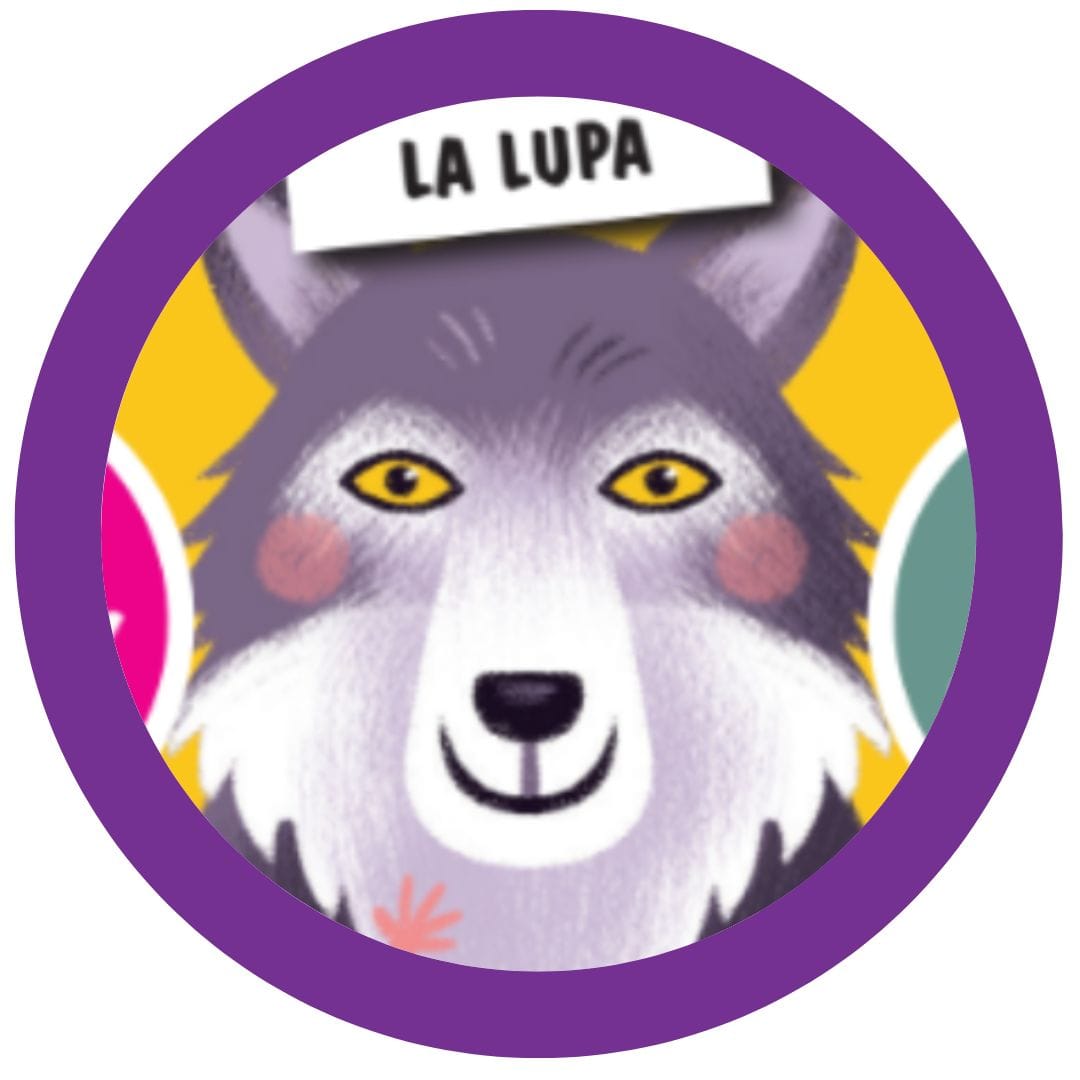
I was the she-wolf, who was said to have saved Romulus and Remus
Who is the most famous wolf in the world? Probably La Lupa… and she may not even be real! According to Roman legend, the city’s twin founders Romulus and Remus were raised by a wolf after being abandoned as infants. Throughout history, La Lupa the wolf became a symbol of strength, survival, and the bond between animals and humans. Her image still features prominently in Rome, so whether myth or metaphor, she’s perhaps the most famous wolf in history. Learn all about the people and gods of ancient Rome in our History Heroes ROMANS card game.
 Laika: The Dog Who Touched the Stars
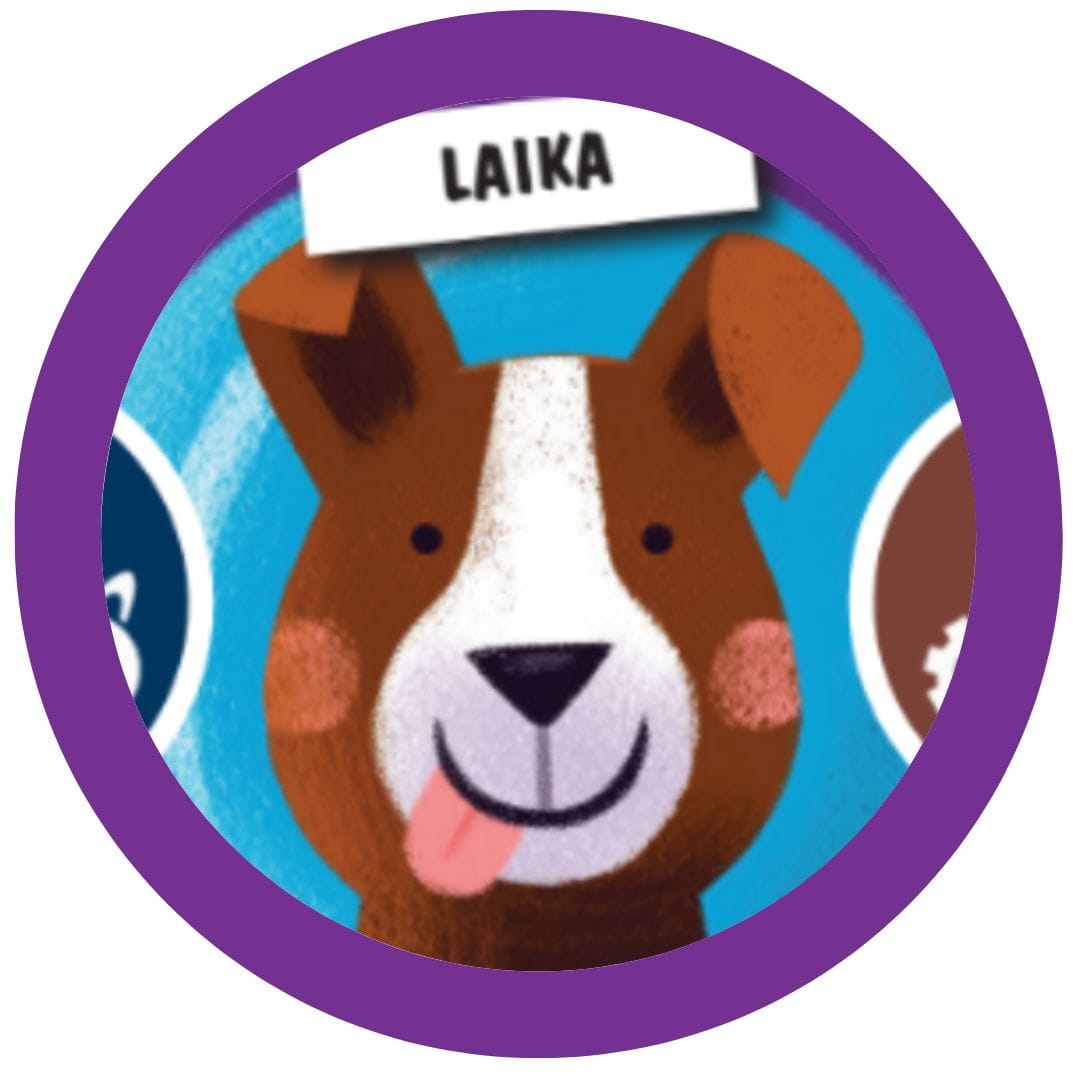
In 1957 I was the first living creature to orbit the Earth
Laika, a stray from Moscow’s streets, became the first animal to orbit Earth in 1957 aboard Sputnik 2. The Soviets recruited a group of female dogs to run tests to measure their obedience and test their reactions to living in pressurised capsules to simulate what it would be like in a spacecraft. Laika was deemed the most suitable she was a very calm dog and therefore was chosen as the first dog in space. Sputnik 2 launched on November 3rd 1957 and was the second spacecraft to reach Earth’s orbit. Tragically, Laika died within hours of her takeoff due to overheating. Laika took one giant leap, and sacrifice, in paving the way for human spaceflight. You can find Laika in our History Heroes SPACE card game. A very worthy pawed hero who deserves to be remembered.
 Lonesome George: The Last of His Kind
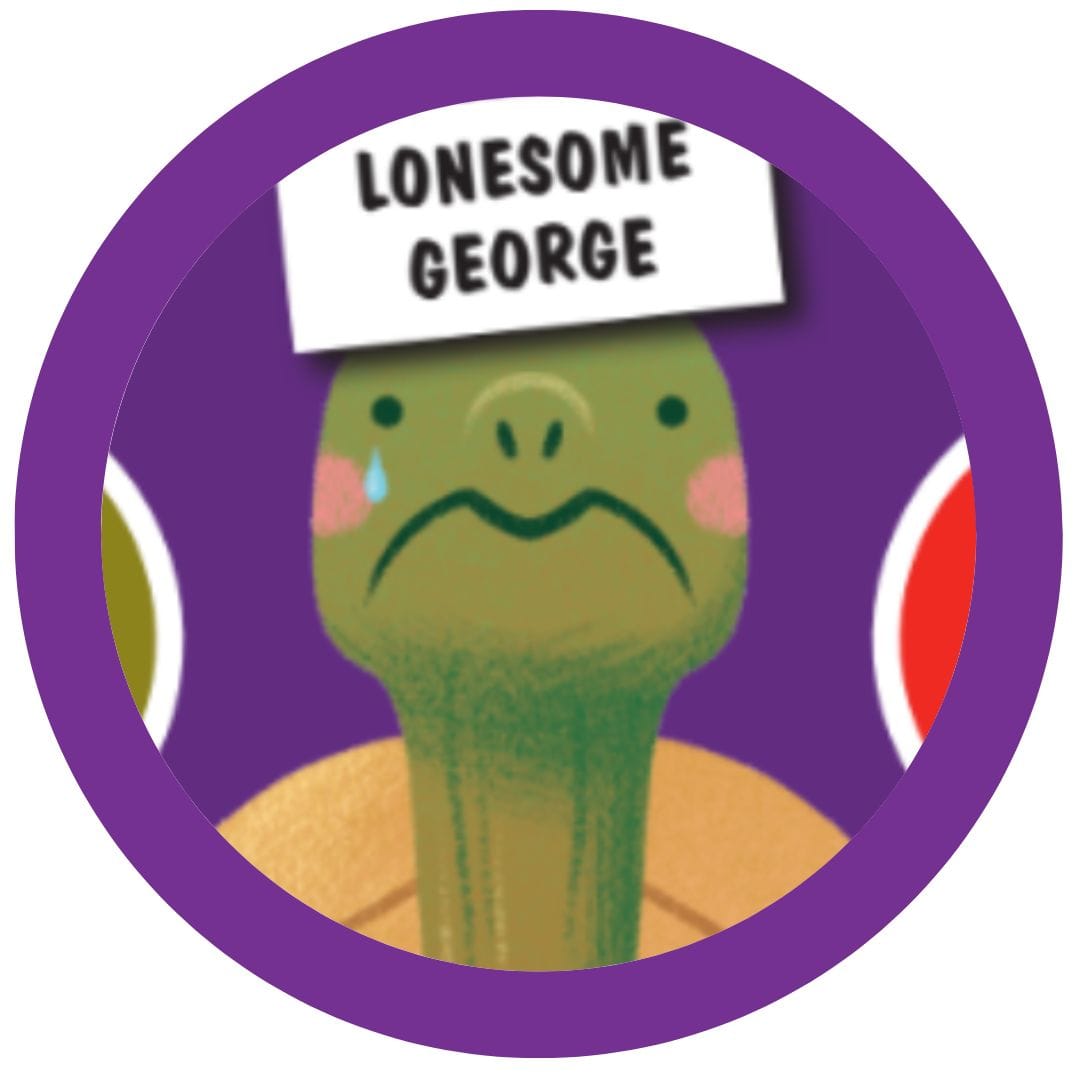
I died in the Galapagos in 2012, the last of my subspecies of Giant Tortoise
Lonesome George, the final living Pinta Island tortoise, was discovered in 1971 and transferred to the Charles Darwin Research Station in the Galápagos. Over time, overhunting by humans depleted giant tortoises, meaning that Lonesome George was truly on his own. Despite decades of breeding attempts by conservationists, Lonesome George remained apparently infertile. His death from natural causes at age 100 in 2012 marked the extinction of the Pinta Island tortoise. Lonesome George was not only a hero for many around the world, he remains a symbol for the impact people have on species and our responsibility to avoid their extinction.
 Montauciel: The First Sheep in the Sky
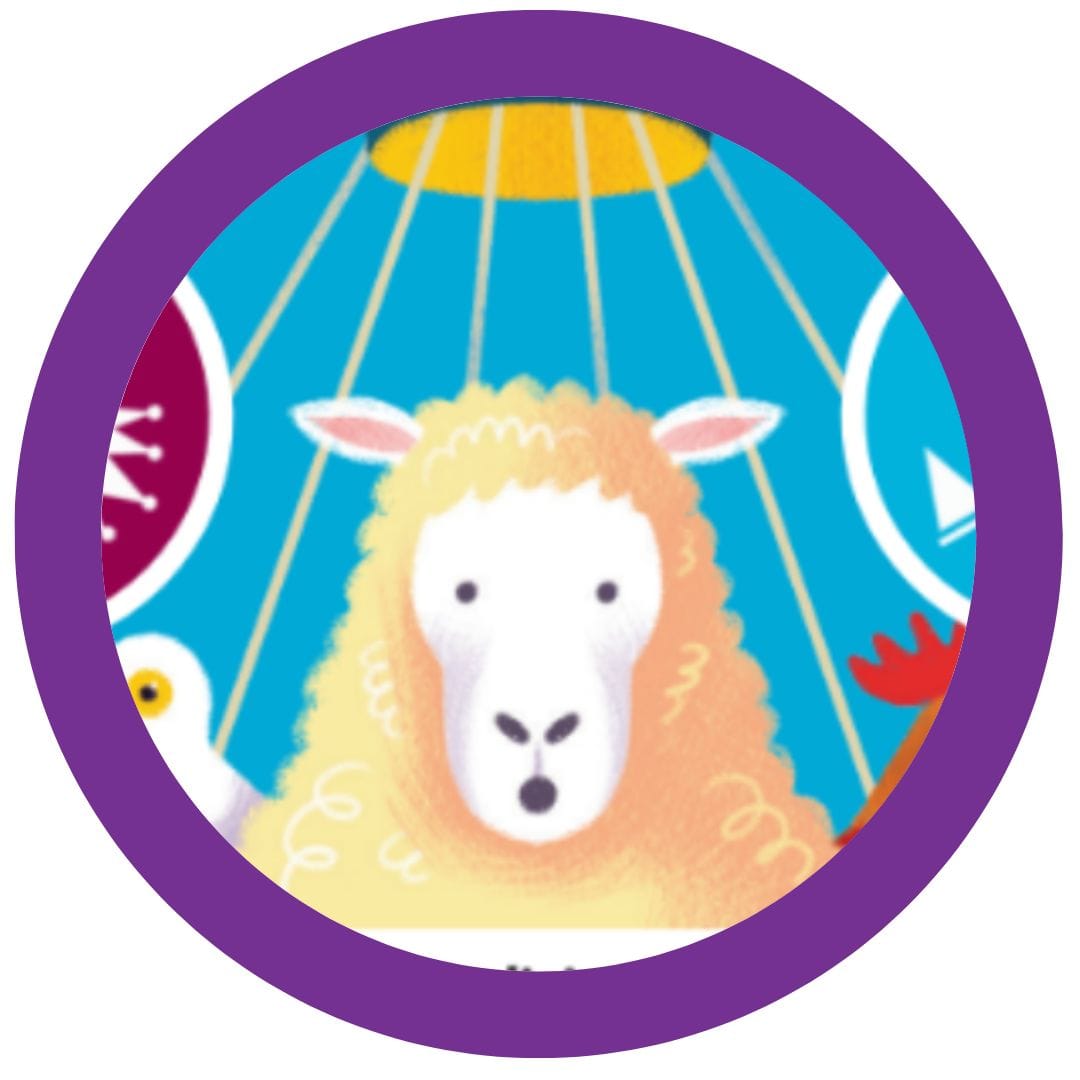
I was 1 of the first living creatures to fly in a hot air balloon in 1783
In 1783, French inventors Joseph-Michel and Jacques-Étienne, the Montgolfier brothers, launched a hot-air balloon carrying a sheep, a duck, and a rooster. Sounds like a joke but it actually happened! The sheep was called Montauciel meaning “climb to the sky”, and was loaded with the duck and rooster into a cage suspended under the Montgolfier brothers’ balloon on the grounds of the Palace of Versailles. Amidst the spectators were King Louis XVI and Queen Marie Antoinette. The animals reached heights of over 500 meters and covered over 3km for around 8 minutes before crashing in a field. Montauciel became a symbol for the flight after he was found quite contently grazing near where the balloon landed. The three animals were deemed heroes, and were given a space in the Menagerie in Versailles by Louis XVI. The brave trio became the first animals to fly in a machine, paving the way for human aviation which would take place less than a month later!
 Nun Cho Ga: The Ice Age Baby Mammoth
I am a beautifully preserved baby woolly mammoth found in Yukon in 2022
Discovered in 2022 by miners in Yukon, Nun Cho Ga meaning “Big Baby Animal” in the Hän language – an indigenous language in the Yukon – was a perfectly preserved woolly mammoth calf, frozen for over 30,000 years. The discovery of Nun Cho Ga offered scientists a beautifully preserved time capsule into Ice Age life. Nun Cho Ga was discovered on Indigenous Peoples Day 2022, within the territory of First Nation government, Tr’ondëk Hwëch’in. Indigenous leaders took the lead in the handling of Nun Cho Ga, and the amazing Ice Age baby Mammoth is now at the Canadian Conservation Institute in Ottawa.
 Paul the Octopus: The Psychic of the World Cup
I correctly predicted 8 matches’ results in the 2010 World Cup
In 2010 an octopus, called Paul from Germany’s Sea Life Centre, became a global sensation by predicting World Cup winners. In a fascinating series of picks, Paul correctly chose the outcomes of matches by selecting mussels from boxes marked with the countries’ flags. He guessed eight out of eight matches correctly! Paul quickly became a sensation across the world and most certainly the most famous octopus in history. Paul the “psychic” octopus died peacefully in his sleep in the same year as his World Cup success.
 Pavlov’s Dogs: The Sound of Psychology
The scientist, Pavlov, trained us to expect food at the sound of a bell
Russian scientist Ivan Pavlov was famous for his experiments on dogs in the 1890s, commonly known as Pavlov’s dogs. Pavlov worked on the concept of “classical conditioning” by ringing a bell before feeding the dogs. Eventually the dogs would associate the bell with food and would salivate at the sound of the bell alone. The salivating dogs changed our understanding of the brain and behaviour and to this day they are studied in psychology and science classes all over the world.
 Plague Rats & Fleas: Sickness Spreaders
We were blamed for spreading the Plague in the 14th century
During the 14th century fleas carried by rats helped spread the Black Death across Europe, killing approximately 50% of the continent’s population. More recent studies suggest that the black death may have been spread by gerbils from Asia, or even lice on humans, rather than rats and fleas. With millions of human deaths, it just goes to show how huge an impact even the tiniest creatures can have on history. Whether it was the rats, fleas, gerbils or human lice: though they be but little, they are fierce… and sometimes downright dangerous!
 Punxsutawney Phil: The Prophet of Winter
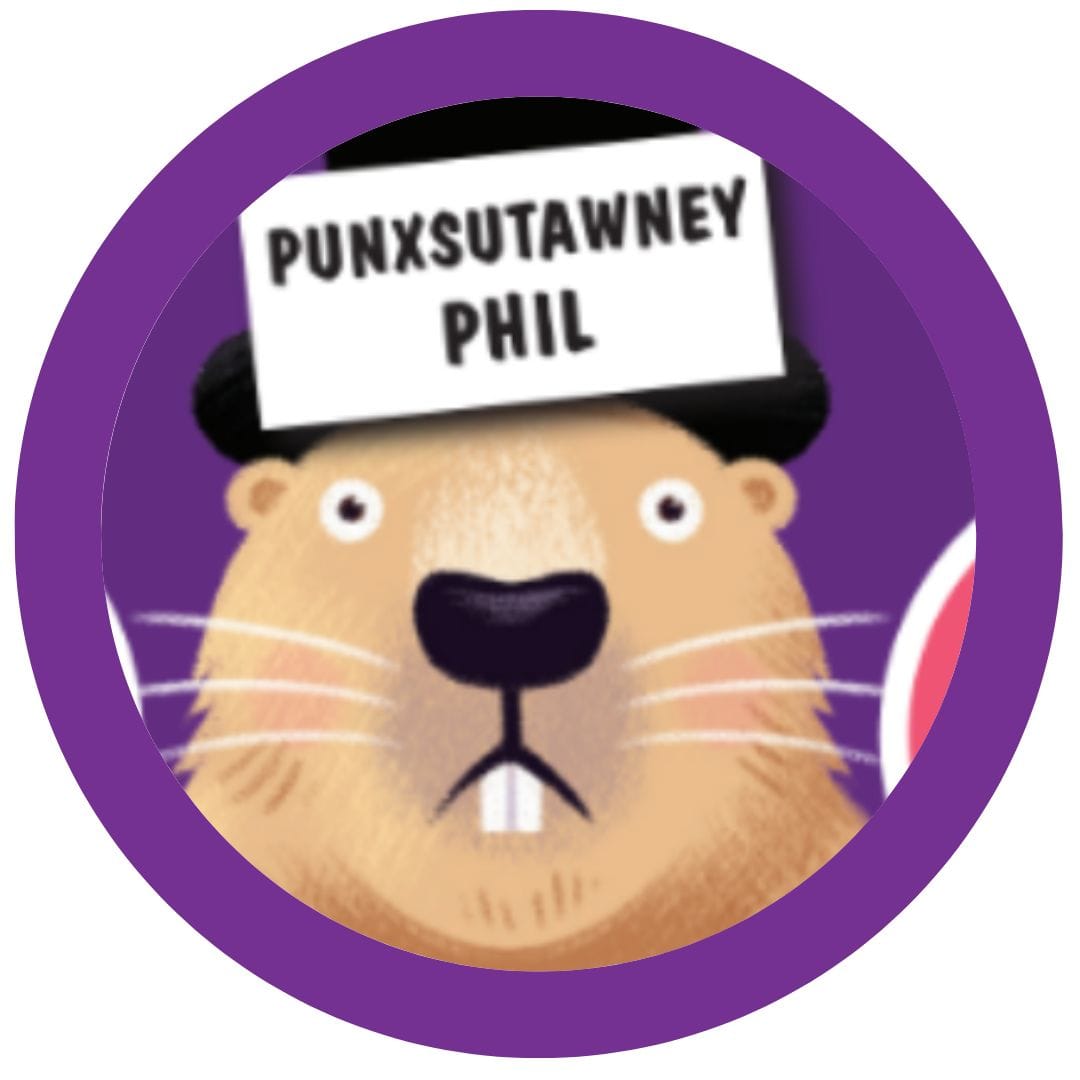
I’m an American groundhog,who predicts the weather every February
Every February 2nd, a groundhog named Punxsutawney Phil predicts the weather in the US state of Pennsylvania. According to the legend, if he sees his shadow and returns to his hole, six more weeks of winter await. If he doesn’t, then it’s set to be an early spring. Dating back to the 1880s, this annual tradition blends folklore with fun and Punxsutawney Phil has become an icon across the world. Well, who wouldn’t want the weatherman to be a cute rodent?
 Rin Tin Tin: The Dog Who Saved Hollywood
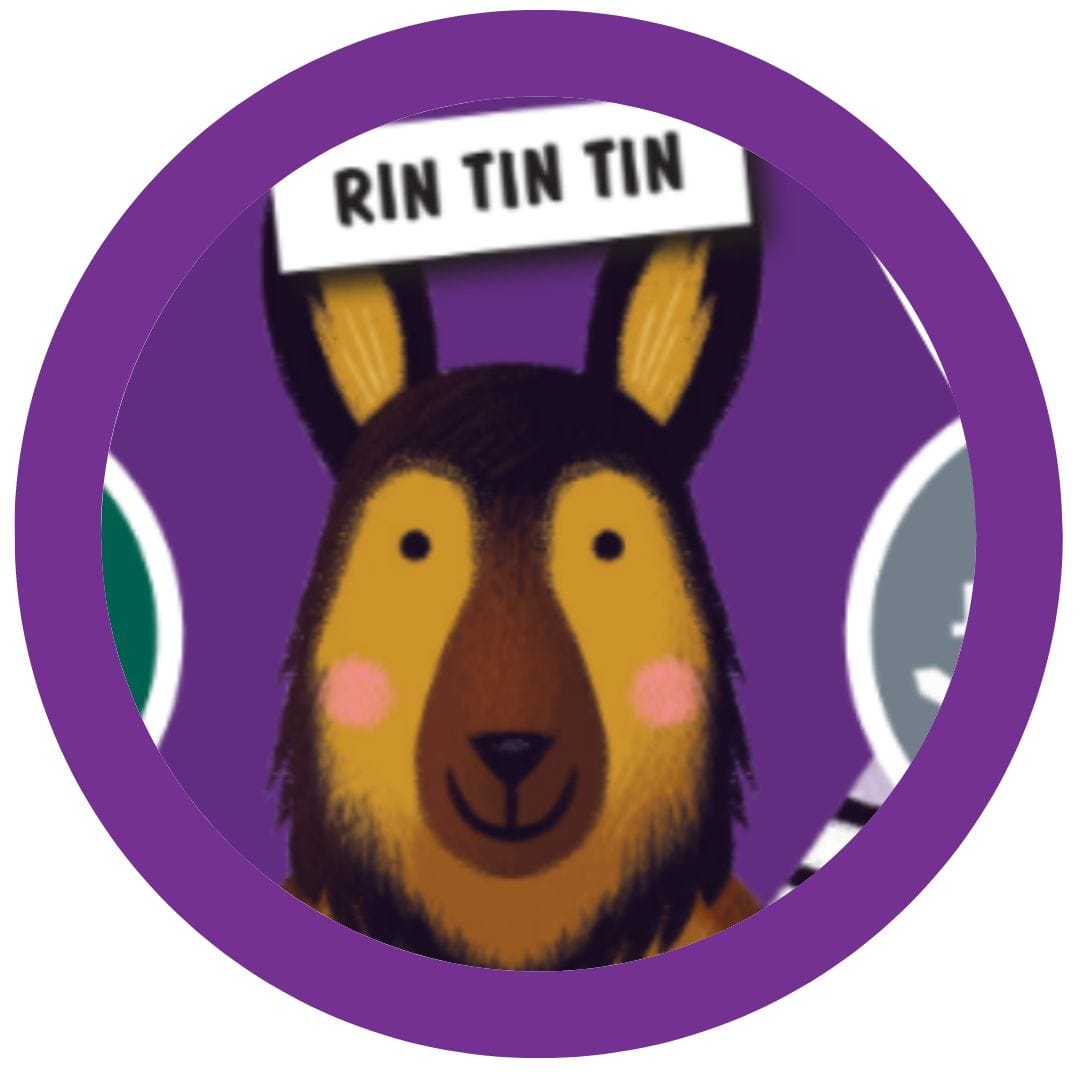
I was so popular a film star in the 1920s that I was said to have ‘saved Hollywood’
Found on a World War I battlefield, Rin Tin Tin was a male German Shepherd, who became one of Hollywood’s first canine stars. Rin Tin Tin appeared in dozens of silent films throughout his screen career and is said to have been responsible for reviving Warner Bros studios in the 1920s. When Rin Tin Tin died in 1932, the nation mourned. He was even honoured with a star on the Hollywood Walk of Fame. Rin Tin Tin was the original good boy of cinema, and a worthy History Hero. You can learn about World War One in our History Heroes World War One Card Game.
 Robert the Bruce’s Spider: A Lesson in Persistence
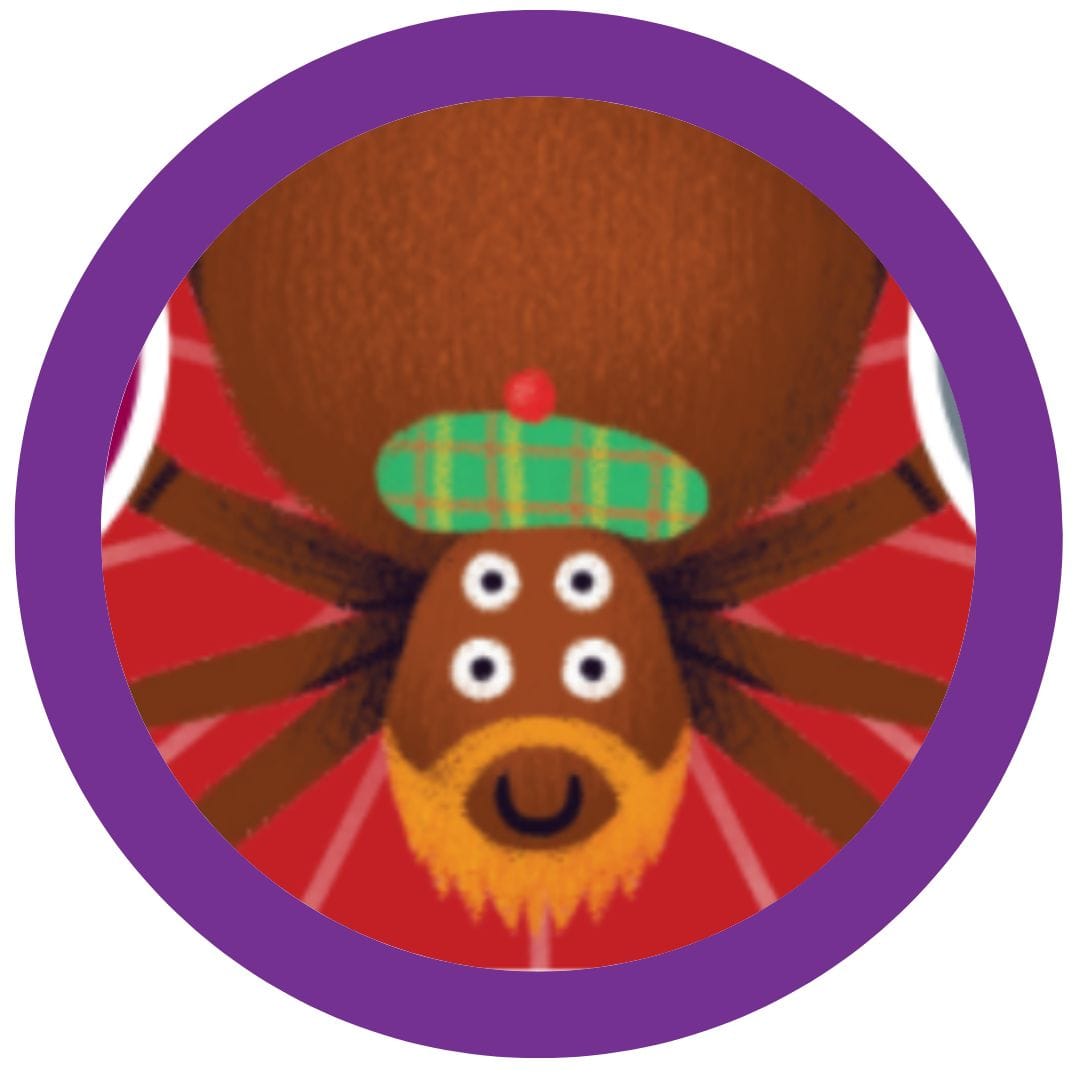
I was a legendary spider, who inspired Robert the Bruce to keep fighting
According to Scottish legend, when King Robert the Bruce was on the run and hiding from the English, he hid out in a cave. King Robert the Bruce supposedly sat and watched a spider that was struggling to build a web. Whenever the spider would fall, it would climb back up again attempting to weave. Eventually after several attempts, the spider managed to build a web. Legend has it that this inspired Bruce to rally his troops, winning Scottish independence at the Battle of Bannockburn in 1314 despite the Scottish army being outnumbered. Whether a legend or a true story, Robert the Bruce’s spider had a rather large impact on Scottish history!
 Sergeant Stubby: The Dog with a Military Record
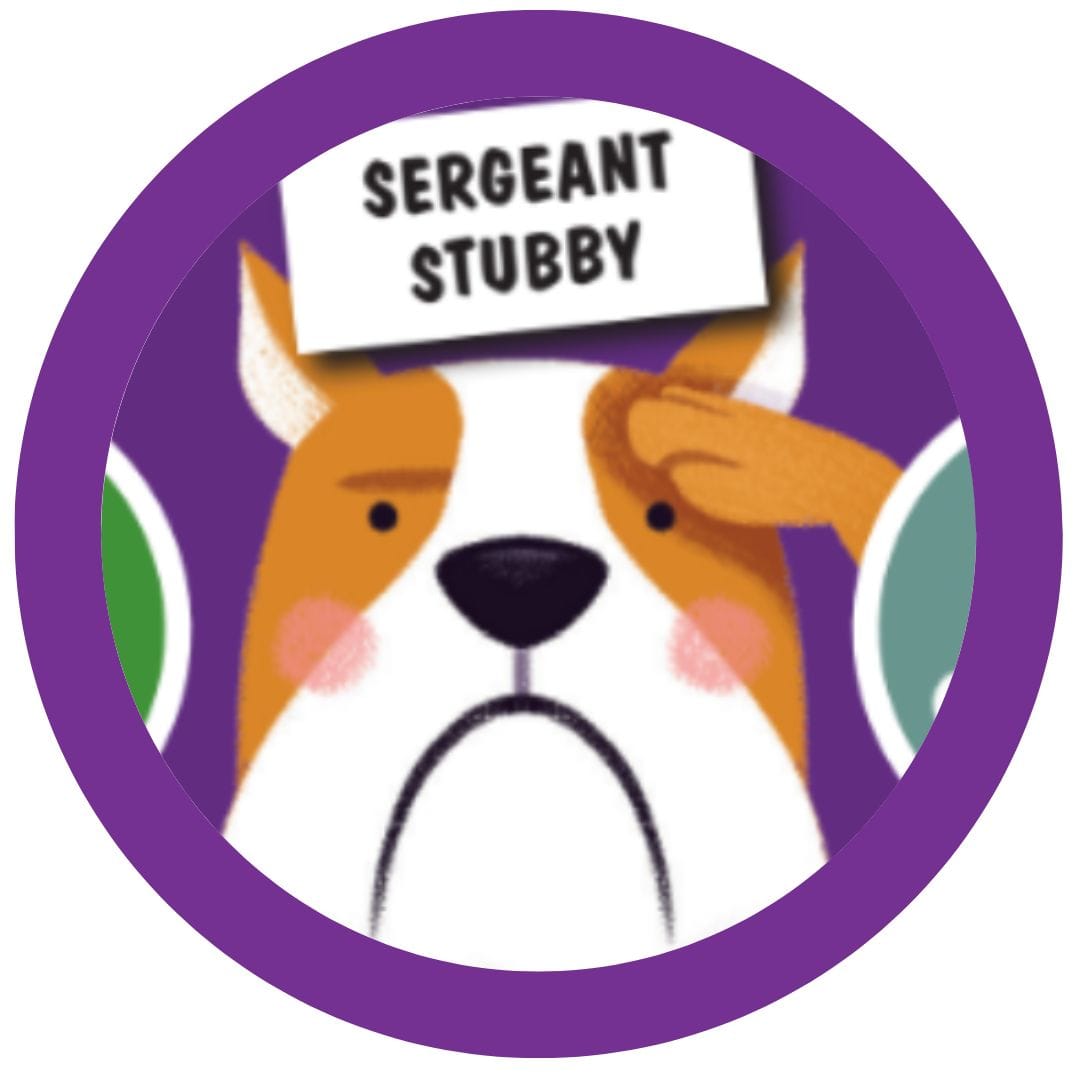
I saved lives in World War One and helped capture a German spy
Sergeant Stubby is possibly the most famous canine war hero. As a puppy, he was found wandering across an army training session in Connecticut in 1917. A soldier, Corporal Robert Conroy, took him under his wing. Conroy named him Stubby because of his short tail and smuggled him on the ship to France to fight with him. Sergeant Stubby went on to take part in many battles, including the Battle of Marne and the Battle of Chateau-Thierry. He warned soldiers of gas attacks and captured a German spy. Following his service, Sergeant Stubby became a highly decorated pup, marching in parades and even meeting three US presidents! Sergeant Stubby died in his sleep in 1926 after a remarkably heroic life and his obituary was published in the New York Times.
 Sheila: The Elephant who Survived the Belfast Blitz
My zookeeper protected me in her home during the Belfast Blitz
In 1941, a series of German air raids targeted Northern Ireland. This was the Belfast Blitz. As well as humans being in danger, animals were too. At Belfast Zoo in North Belfast, several animals were put down to avoid them escaping and hurting themselves or other people. Zookeeper Denise Austin, one of Belfast Zoo’s first female zookeepers, made the decision to take Sheila the Elephant to her home to protect her! Each evening when the head zookeeper left work, Denise took Sheila the Elephant from her enclosure and walked back to her home for the evening. Sheila slept in the garage at night, could be found enjoying the garden and even chasing a dog through a fence into a neighbour’s garden. Sheila the Elephant survived the Belfast Blitz and continued to live at Belfast Zoo for years following World War Two. Sheila the Elephant even inspired former Children’s Laureate Michael Morpurgo’s book ‘An Elephant in the Garden’ published in 2010. Have you seen our classic History Heroes WORLD WAR TWO card game. ?
 Smoky the Dog: The Tiny World War Two Hero
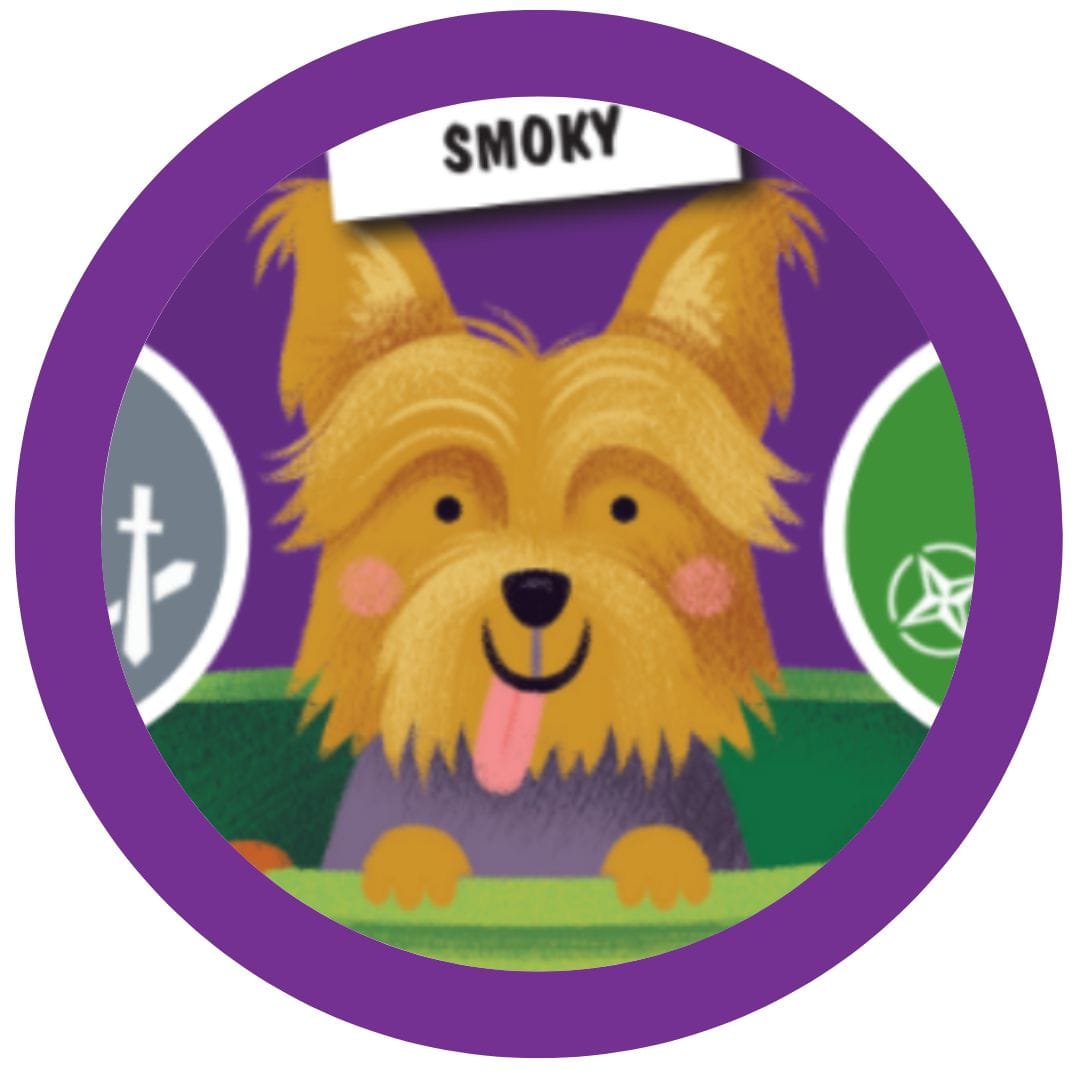
In World War Two I became the first recorded therapy dog, visiting wounded soldiers
Smoky was a tiny Yorkshire terrier who was found in a foxhole in New Guinea during World War Two. Corporal Bill Wynne, a then 22 year old American adopted her, and so began the start of an incredible life for the tiny hero. Smoky’s size was perfect to run communication wires through small spaces, setting up a communication network for soldiers in the Philippines. The setting up of this network led to vital information being passed and Smoky is credited with saving 250 men and 40 planes! Over the next year, Smoky would go on to survive 12 combat missions with her Corporal partner. Perhaps her biggest paw print was left on the hearts of recovering soldiers. Smoky became a well known therapy dog touring hospitals and having a positive impact on the healing process well beyond the end of World War Two. Smoky retired in 1955 and died in her sleep two years later at the age of 14. Have you seen our classic History Heroes WORLD WAR TWO card game?
 Susan: The Queen’s Loyal Corgi
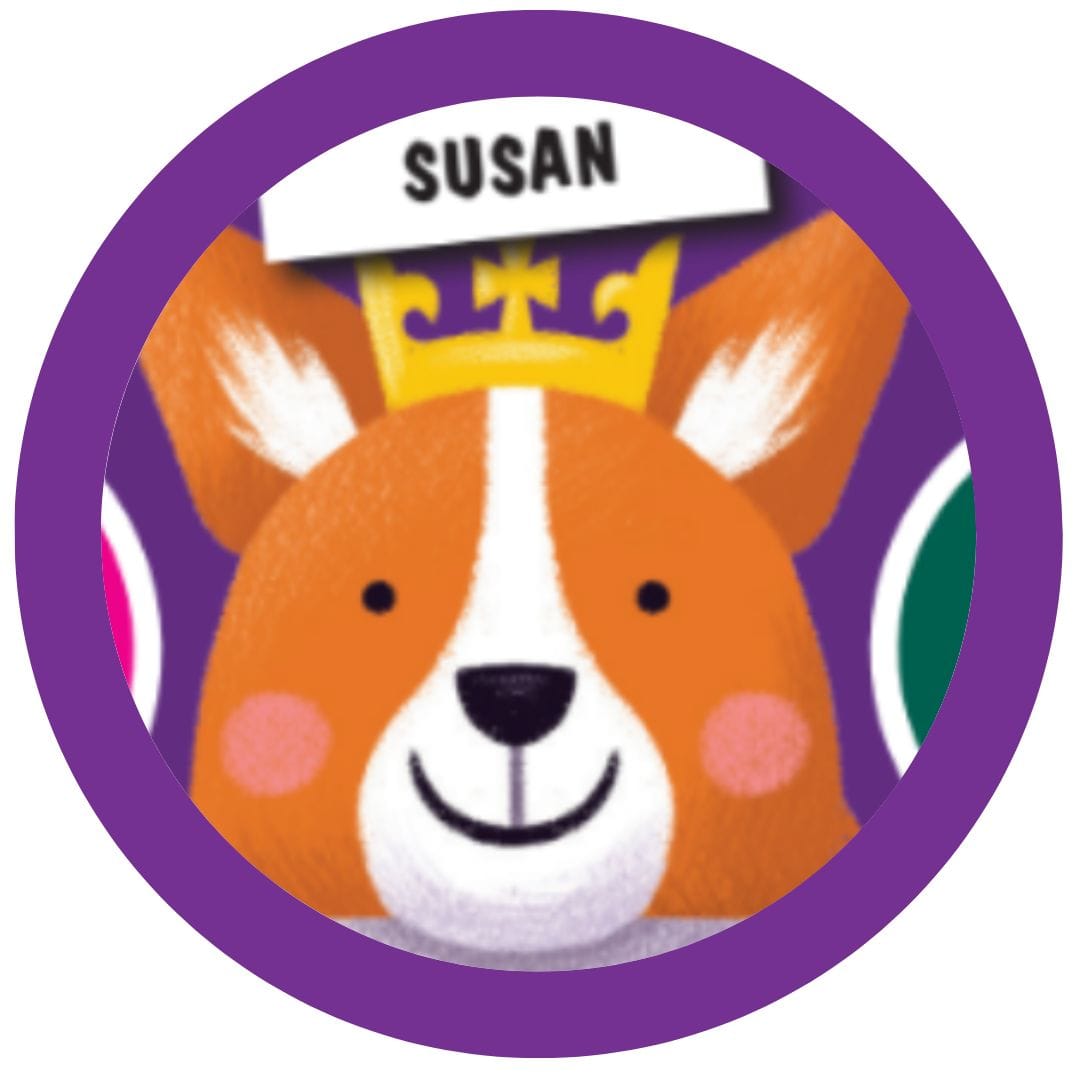
I was Elizabeth II’s 18th birthday present. All her corgis were then descended from me
Susan was Queen Elizabeth II’s first corgi, gifted on her 18th birthday in 1944. The royal line of corgis since then have all descended from this regal hero! Then Princess Elizabeth and Susan were inseparable. Over the next 60 years, Queen Elizabeth II would own more than 30 of Susan’s descendants. Did you know that thanks to the Queen’s sister, Princess Margaret’s dachshund Pipkin, the royal household was also responsible for the accidental “dorgi”, a corgi dachshund cross? Susan the corgi was a truly iconic companion for the queen, and she has had an immeasurable impact on the success and popularity of her own breed. Found in every London souvenir shop on everything from trinkets to playing cards, mugs to ornaments, Queen Elizabeth II’s corgis have become almost as iconic as the crown itself. Learn all about the Kings and Queens of England in our bestselling History Heroes KINGS & QUEENS card game!
 Surus: Hannibal’s War Elephant
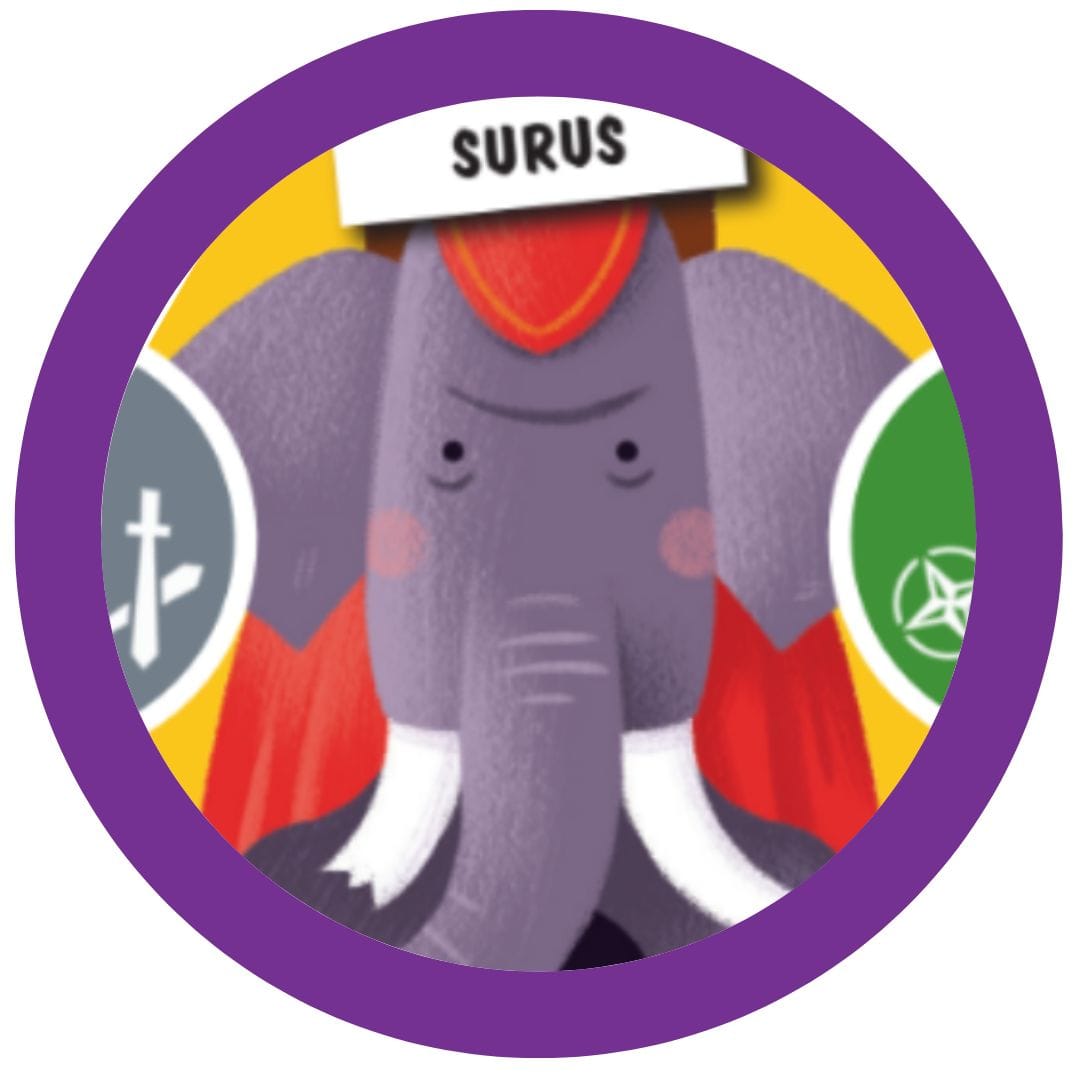
Hannibal is thought to have ridden me across the Alps in 218 BCE
Hannibal was a Carthaginian general who led forces against the Roman Republic. He is known in part for his exceptional Elephant Army made up of North African Elephants and according to writing at the time, one especially important animal, Surus. Surus, meaning “the Syrian”, was a large animal, likely an Indian or Syrian Elephant, and some believe he was Hannibal’s personal elephant. Hannibal is thought to have ridden the mighty Surus through the Alps in 218 BCE, with tens of thousands of troops. Surus had a reputation for being the biggest and bravest of Hannibal’s elephants, with one tusk and battle scars. Many of Hannibal’s War Elephants died of injuries or of the harsh weather conditions. It is believed that Surus was one of the only elephants who survived the crossing of the Alps.
 The Dodo: The Global Icon of Extinction
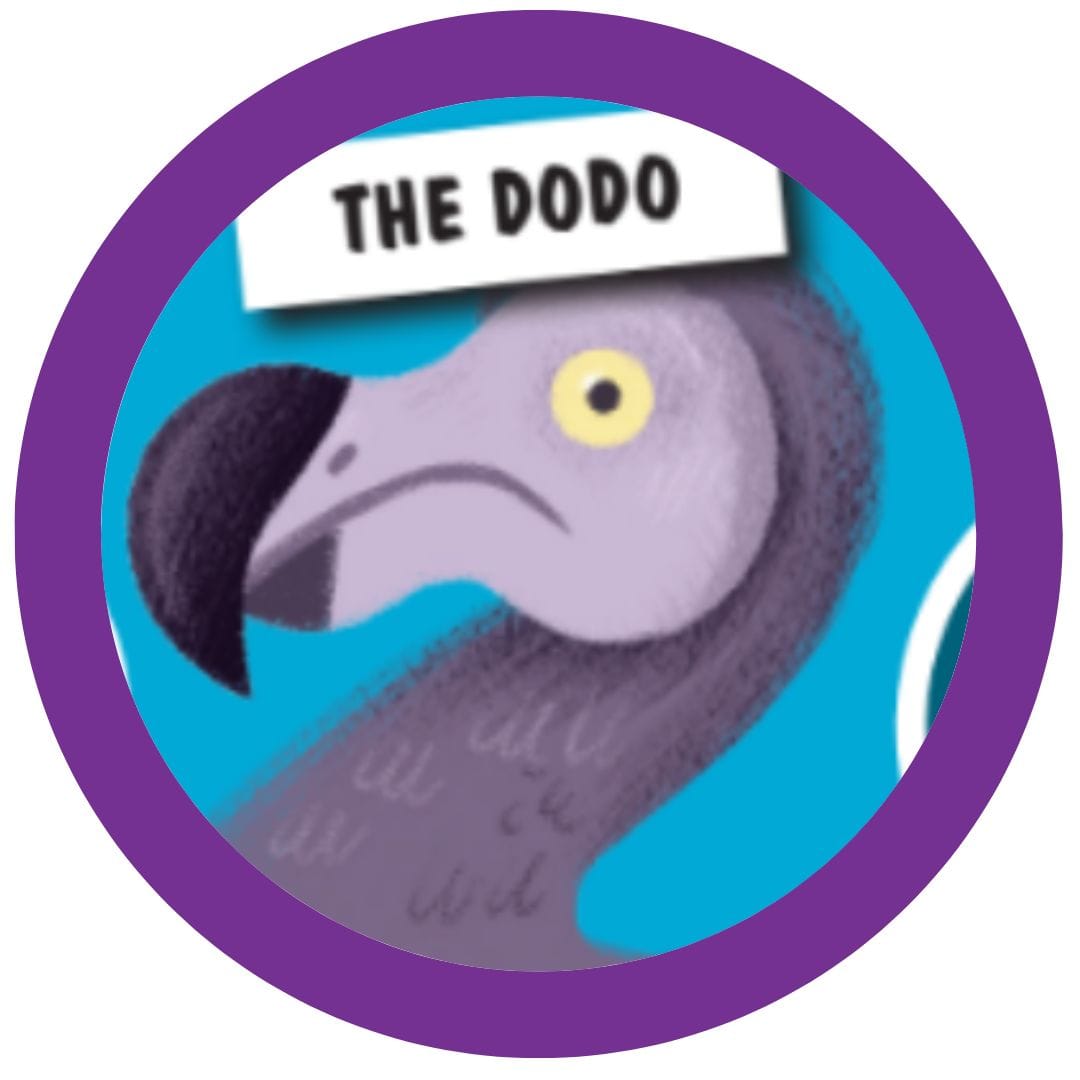
I was a flightless bird in Mauritius, who became extinct around the 1700s
Last officially seen in 1662 and native to Mauritius, the dodo is one of the most famous birds in the world. The dodo was driven to extinction by humans: hunting and introducing predators like dogs and cats. Its extinction became the first widely recognised case of extinction due to human activity. No one living today has ever seen the dodo, and we know incredibly little about this iconic flightless bird. We know about the dodo through writings of sailors, explorers and traders in the early modern world, and any image of the dodo today is mostly reconstructed from these pieces of writing.
 The Great Emu War: Australia’s Bird Army
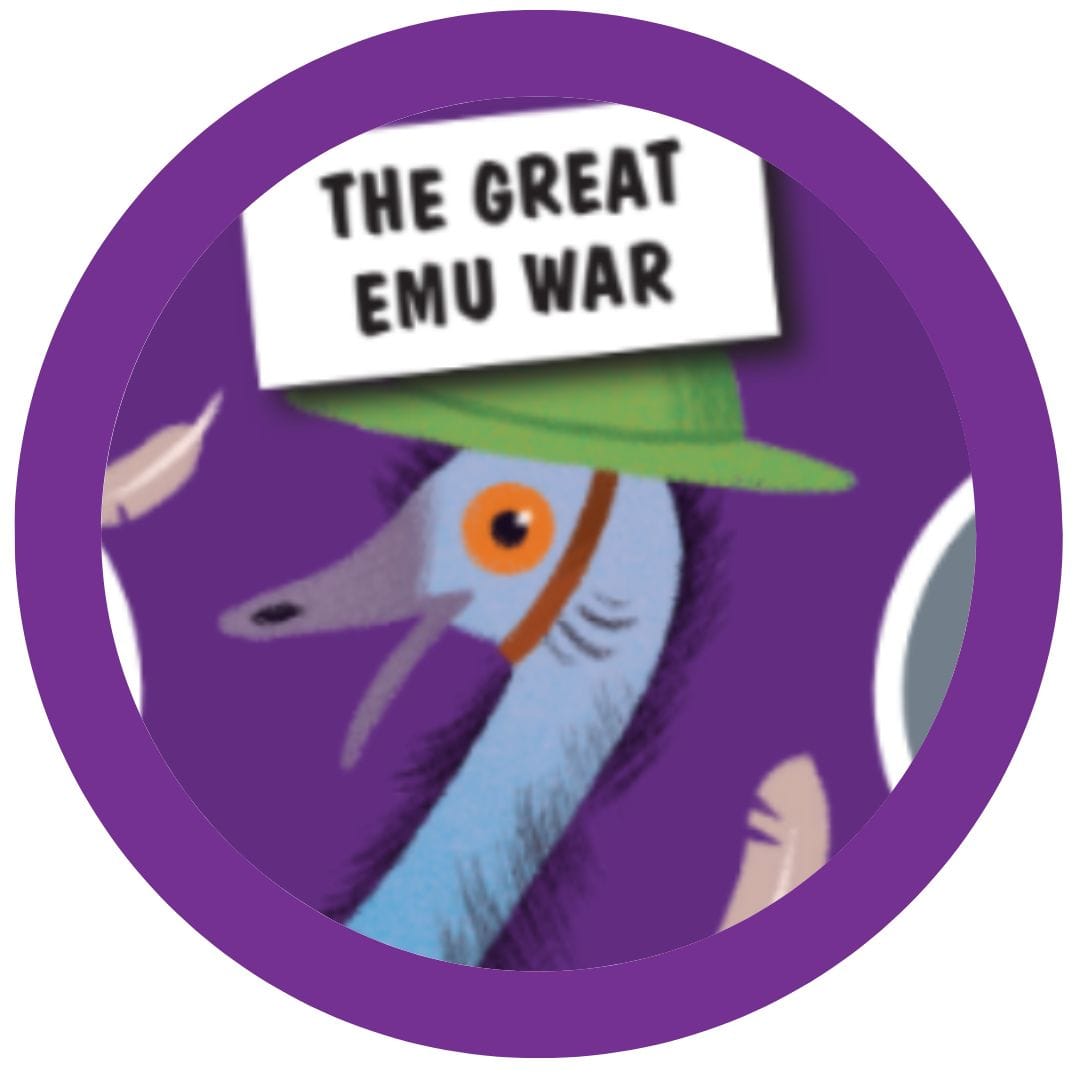
In 1932 the Australian army attempted to cull 20,000 of us with machine guns. We won
Following World War One, the Australian government wanted to settle thousands of returned soldiers as farmers in Western Australia. The conditions proved difficult, in part, due to the 20,000 emus there! In 1932, under the order of the Australian government, armed soldiers tried to control these emus. Though the soldiers tried to kill the emus, what they couldn’t have predicted is how much of a fight they put up! The emus were faster and more cunning than expected, and they ultimately won the battle. The emus and their resilience showed how strong animals can be and their important role in Australia’s ecosystem.
 Tardigrades in Space: Microscopic Survivors
In 2007 we showed that we could survive the Vacuum of Space
Tardigrades, or “water bears,” are microscopic creatures capable of surviving extreme heat, cold and radiation. In 2007, they showed they could even survive the Vacuum of Space! They were sent to space on the European Space Agency’s Foton-M3 mission for 12 days. Their survival for this long proved they were hardy organisms able to withstand incredibly extreme conditions. On earth, tardigrades can be found all over the world, from the deep sea to mountain tops and back gardens. There are over 1,000 species of tardigrades, all with eight clawed legs, and they are usually only seen under a microscope. Learn all about space exploration (mostly by humans… but not entirely!) in our History Heroes SPACE card game.
 Tirpitz: The Wartime Pig Who Survived a Sinking Ship
HMS Glasgow rescued me in 1915, swimming from a sinking German boat
During World War One, as a German ship was sinking, the ship’s mascot pig jumped into the water and was rescued by HMS Glasgow. The navy men on board named her, rather cheekily, after the head of the German navy, Admiral Alfred von Tirpitz. Adopted by the Royal Navy, Tirpitz the pig became a mascot for a second time… this time for the British! In 1917, Tirpitz was sold at auction raising approximately £20,000 in today’s money for the Red Cross. What a worthy piggy hero! Want to learn more about World War One? Check out one of our bestselling classics, History Heroes World War One Card Game.
 Tower of London Ravens: Keepers of the Kingdom
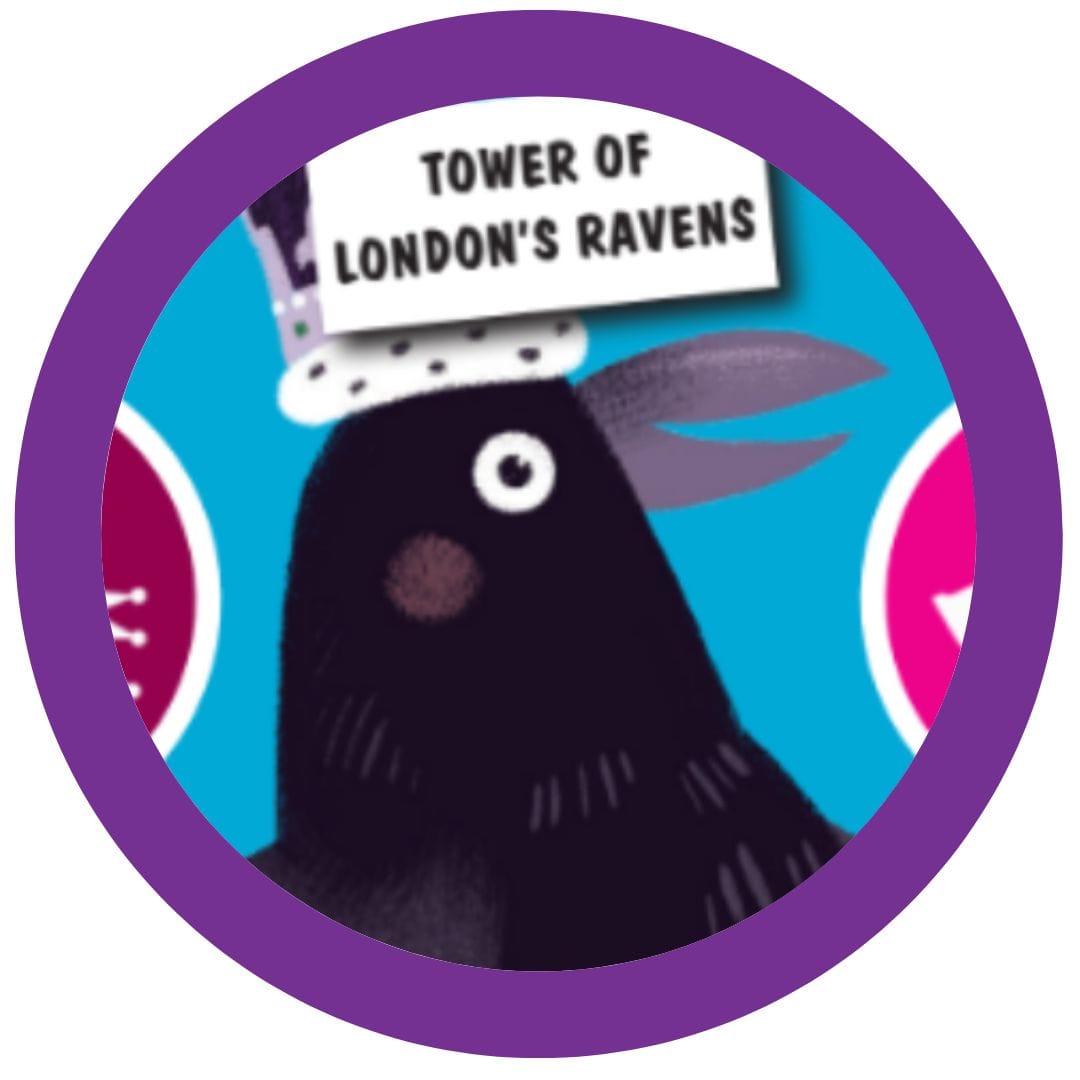
Since the 1600s it has been said that if we left the Tower, the Kingdom will fail
If you visit the Tower of London, you will likely see ravens on the grounds. Since the 1600s, they have been fed and kept, and have become symbols of the British monarchy. Legend has it that if the ravens ever leave the Tower of London, the kingdom will fall… quite the weight on their feathered shoulders. It is thought to have been Charles II who first insisted that the ravens needed protection. Today, the Tower of London ravens are fed twice a day by an official Ravenmaster! Learn all about the English Kings & Queens in our History Heroes KINGS & QUEENS card game.
 Tuffy: The Navy Dolphin
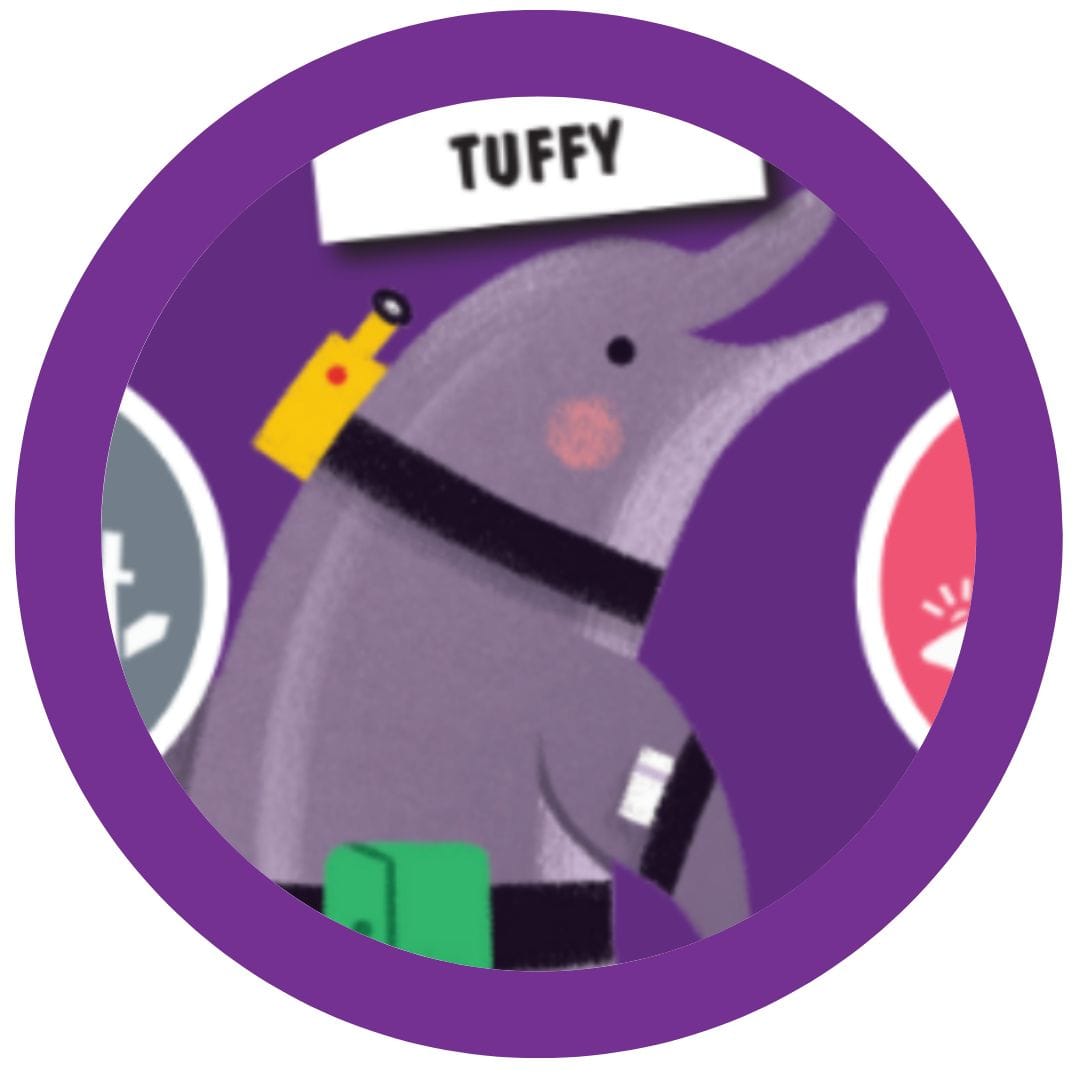
The US Navy trained me to deliver supplies and help divers
In the United States, the navy uses specially trained dolphins and sea lions to locate objects underwater. Dolphins and sea lions are faster and more accurate than human divers, so these animals are trained in the official Navy Marine Mammal Program! Tuffy was one of the US Navy’s first dolphins. Tuffy was a very intelligent dolphin with a big personality. At the training school in the 1960s, he was the highest achieving dolphin student, carrying messages and tools and even rescuing lost and injured divers. What a clever dolphin!
 Unsinkable Sam: The Cat With Many Lives
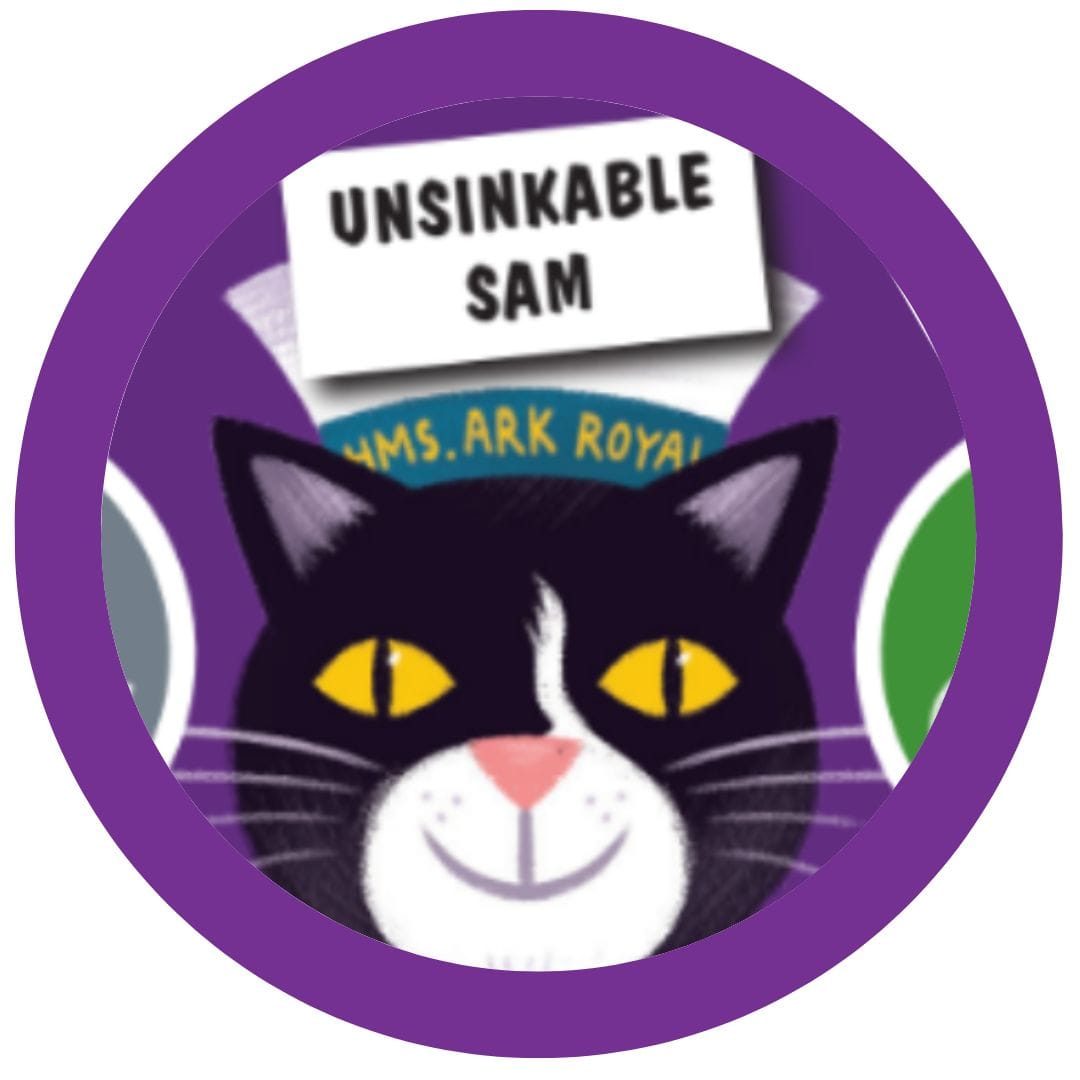
I am said to have survived 3 shipwrecks in World War Two
Unsinkable Sam, sometimes referred to as Oscar, was a ship’s cat said to have served on three ships during World War Two. All three ships carrying the feline sailor sank and Unsinkable Sam (you guessed it!) survived each one. Whether he used up all 9 lives or just these 3, he must have been very frustrated to find himself struggling for survival in the ocean on more than one occasion. After World War Two Unsinkable Sam returned to a normal life on land and became a legend of sea faring. The real story of Unsinkable Sam is disputed, but his remarkable tale of survival lives on. Want to learn more about World War Two? Check out one of our bestselling classics, History Heroes WORLD WAR TWO card game.
 Winnie the Bear: The Inspiration Behind Winnie the Pooh
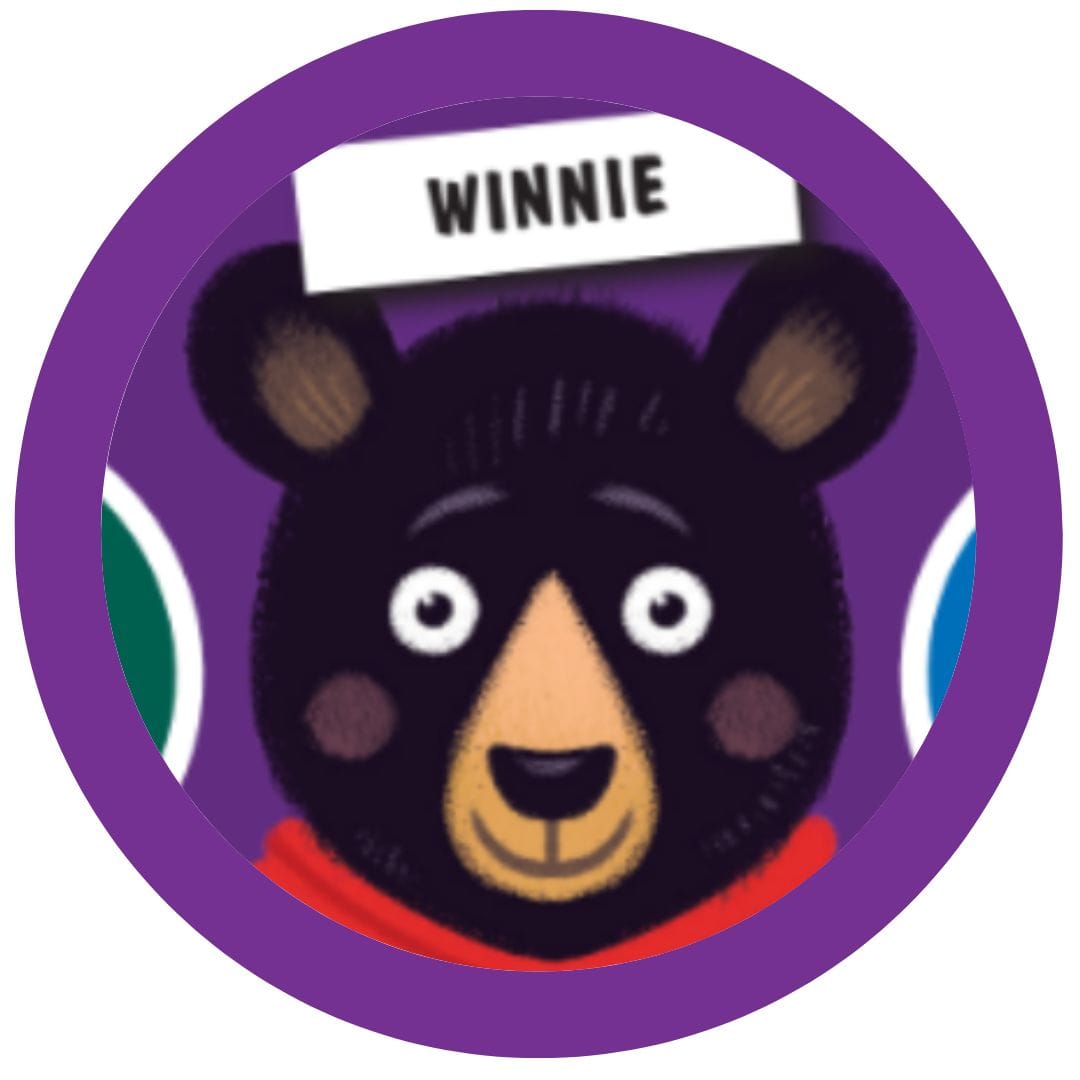
I was a black bear in London zoo. Christopher Robin Milne named his teddy after me
In 1914, a Canadian soldier Harry Colebourn brought a female black bear cub named Winnie (short for Winnipeg, a city in Canada) to England for his regiment’s training at the start of World War One. When Harry Colebourn was forced to leave Winnie in London upon his deployment to France, he couldn’t have predicted the impact this amazing bear would have on literature, popular culture, and the people of London. Winnie was left in the care of London Zoo in December of the same year. Among her regular visitors at London Zoo was A.A Milne and his son, Christopher Robin Milne. The little boy named his teddy bear Winnie, inspiring his father to write the 1926 story Winnie-the-Pooh… and the rest is history.
 Wojtek the Bear: The Polish Soldier
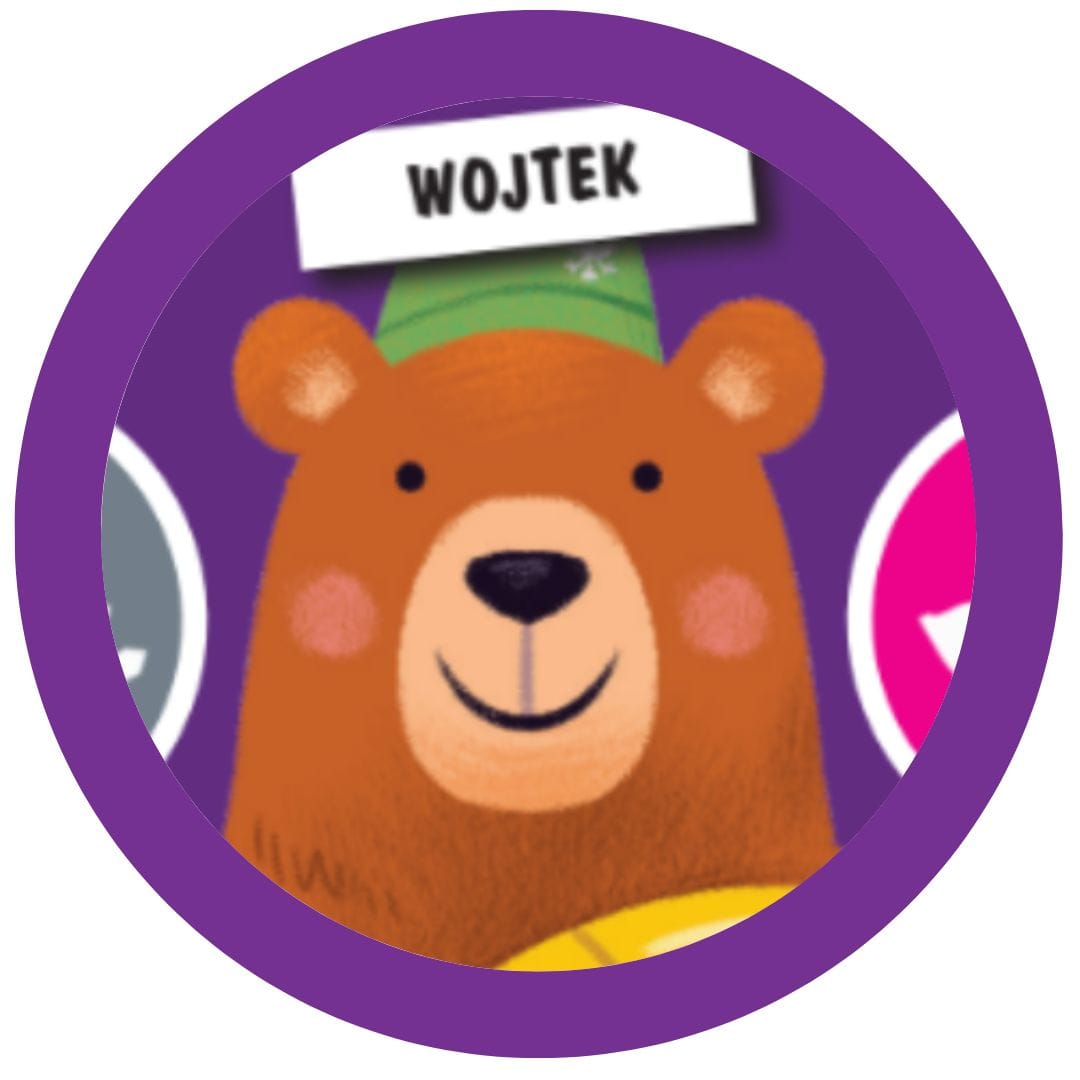
The 2nd Polish Corps adopted me and made me a private in World War Two
During World War Two Polish troops of the 2nd Polish Corps adopted a Syrian brown bear after his mother was shot by hunters. They called the bear Wojtek, and he travelled with the 2nd Polish Corps from the Middle East as they were deployed into Italy. Wojtek became famous for blending in with his fellow soldiers, carrying ammunition, boxing with his human friends, drinking beer and even smoking cigarettes! After the war he was moved to Edinburgh Zoo and, with a large statue in the city centre, is now a national hero for both Poland and Scotland who had forged close ties during World War Two. Want to learn more about World War Two? Check out one of our bestselling classics, History Heroes WORLD WAR TWO card game.
 Zarafa: The Giraffe Who Walked to Paris
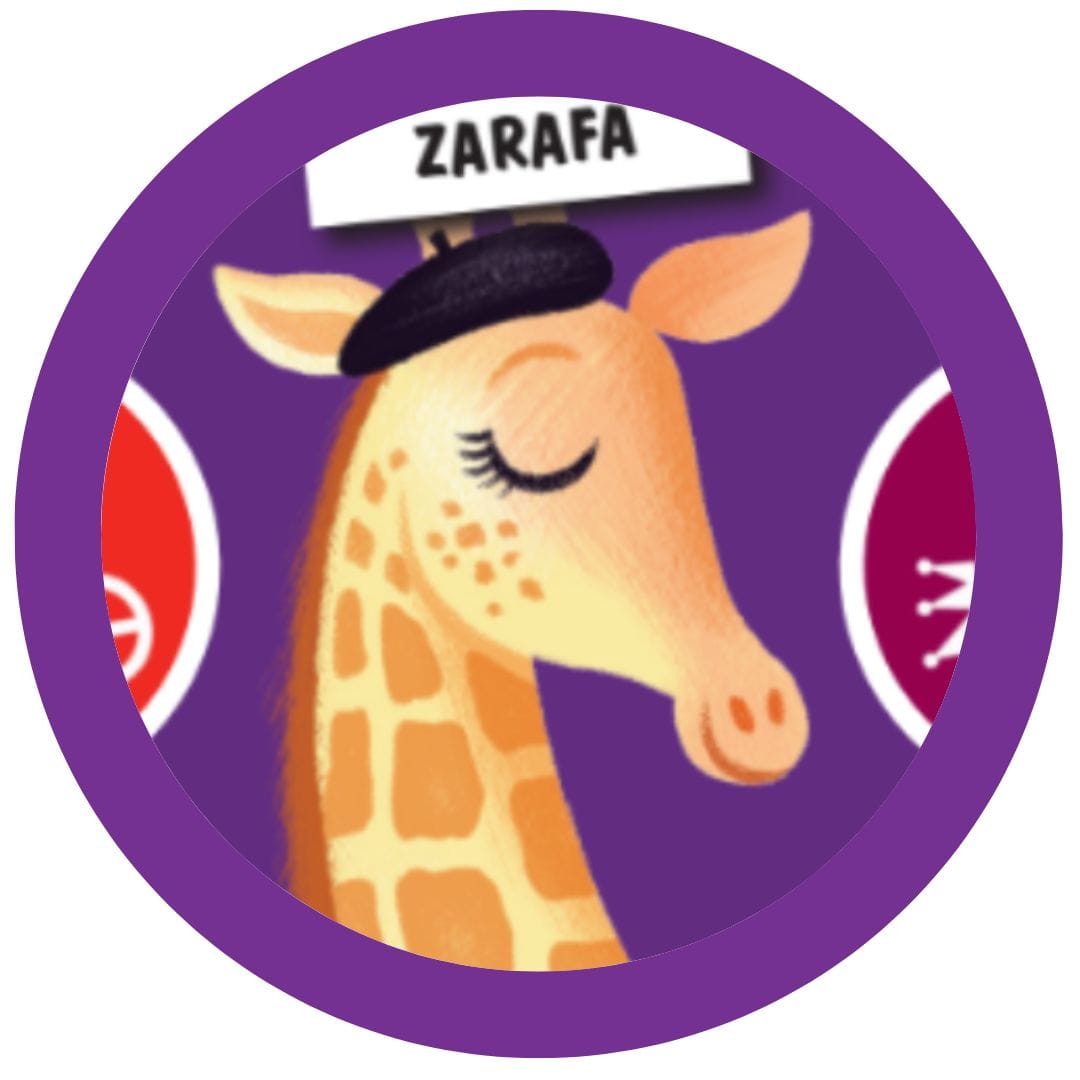
In 1826 I was 1 of the first giraffes seen in Europe for over 300 years
Zarafa was a giraffe born in Ethiopia and gifted by the Ottoman Viceroy of Egypt to King Charles X of France as a political offering. Zarafa began her over 3,500 mile journey from Ethiopia to Paris and arrived in Marseille in October 1826. She became somewhat of a local celebrity even at this time. People had never seen a giraffe before! What is even more remarkable is her journey on foot (or, hooves) from Marseille to Paris which she completed in 40 days. Crowds turned up to see this incredible, exotic and now royal animal, and she became a true national sensation, inspiring fashion trends, art and even hairstyles.