

Was Winston Churchill the Greatest Prime Minister?
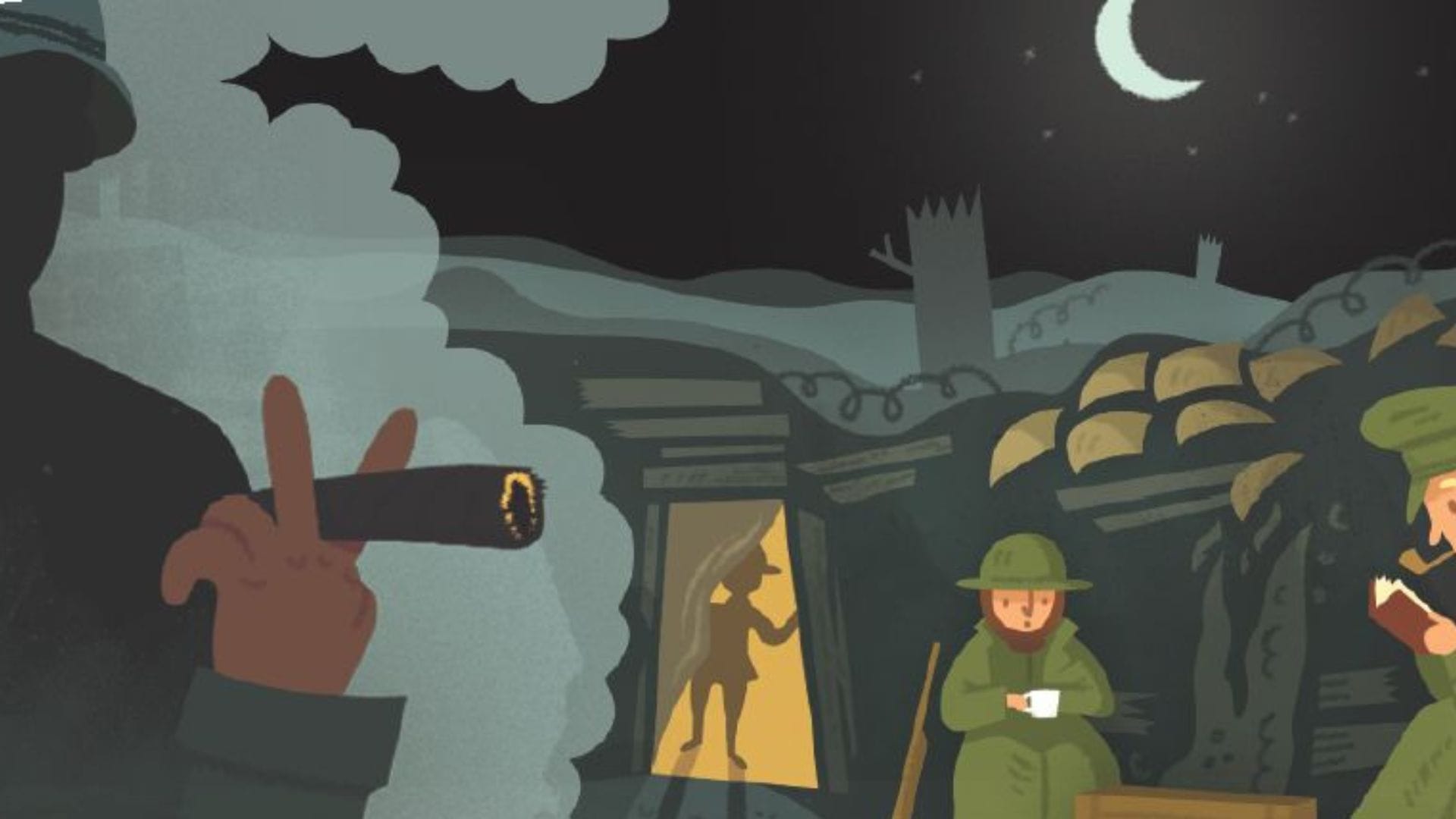
When we think about the greatest Prime Ministers in British history, one image might spring to mind… a certain wartime leader with a cigar and a hat! Winston Churchill was the politician who led Britain through the ‘Darkest Hour’. He played a significant role in defeating Nazi Germany but to this day he remains a controversial figure. In this article we ask: Was Winston Churchill the Greatest Prime Minister?
In this article, we’re going to look at Winston Churchill’s political career against other key British Prime Ministers. Each of them shaped history in their own right, and some of them also happen to be History Heroes!
 Who Was Winston Churchill?
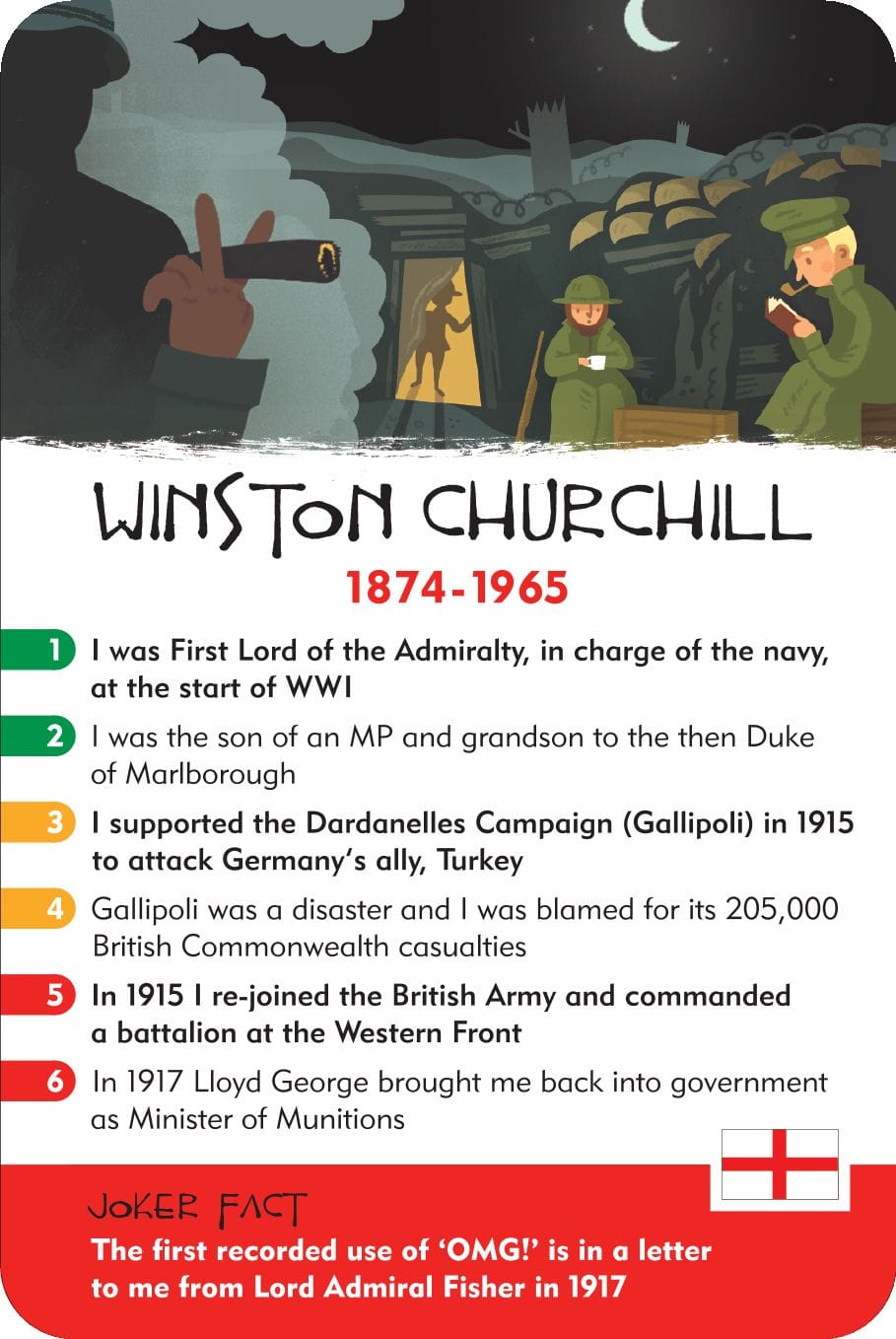
Winston Churchill was born on the 30th November 1874 at Blenheim Palace, the home of the Dukes of Marlborough. He would go on to become one of Britain’s most famous Prime Ministers, perhaps the most famous! He served as Prime Minister twice, from 1940-1945 and again from 1951-1955, leading Britain through World War II and then into a period of post-war recovery.
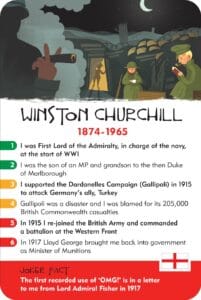
Joker Fact: Did you know, the first recorded use of ‘OMG!’ is in a letter to Winston Churchill from Lord Admiral Fisher in 1917?!
When Did Winston Churchill Become Prime Minister? (1940–1945)
When Churchill became Prime Minister on the 10th of May 1940, the day Germany invaded France, Europe was facing disaster. Nazi forces were sweeping across the continent, and many people thought Britain might be defeated. Winston Churchill replaced Neville Chamberlain as Prime Minister, who had lost the confidence of Parliament and the wider British public after appeasement (trying to keep peace with Adolf Hitler) failed.
Winston Churchill: War Time Prime Minister
Upon becoming Prime Minister, Winston Churchill immediately formed a coalition government, bringing together members of all major parties to unite the country for war. He worked tirelessly throughout World War II to maintain the ‘Grand Alliance’ of the ‘Big Three’ allies: Great Britain, the United States of America and the USSR.
In the Churchill War Rooms – which now makes for a FANTASTIC, History Heroes approved day out – Winston Churchill and his colleagues worked late into the night, directing military strategy and keeping in close contact with Allied leaders like Franklin D. Roosevelt and Joseph Stalin. Winston Churchill’s leadership also helped Britain survive the eight month long bombing campaign, The Blitz, when cities were bombed night after night by Nazi Germany and Italy.
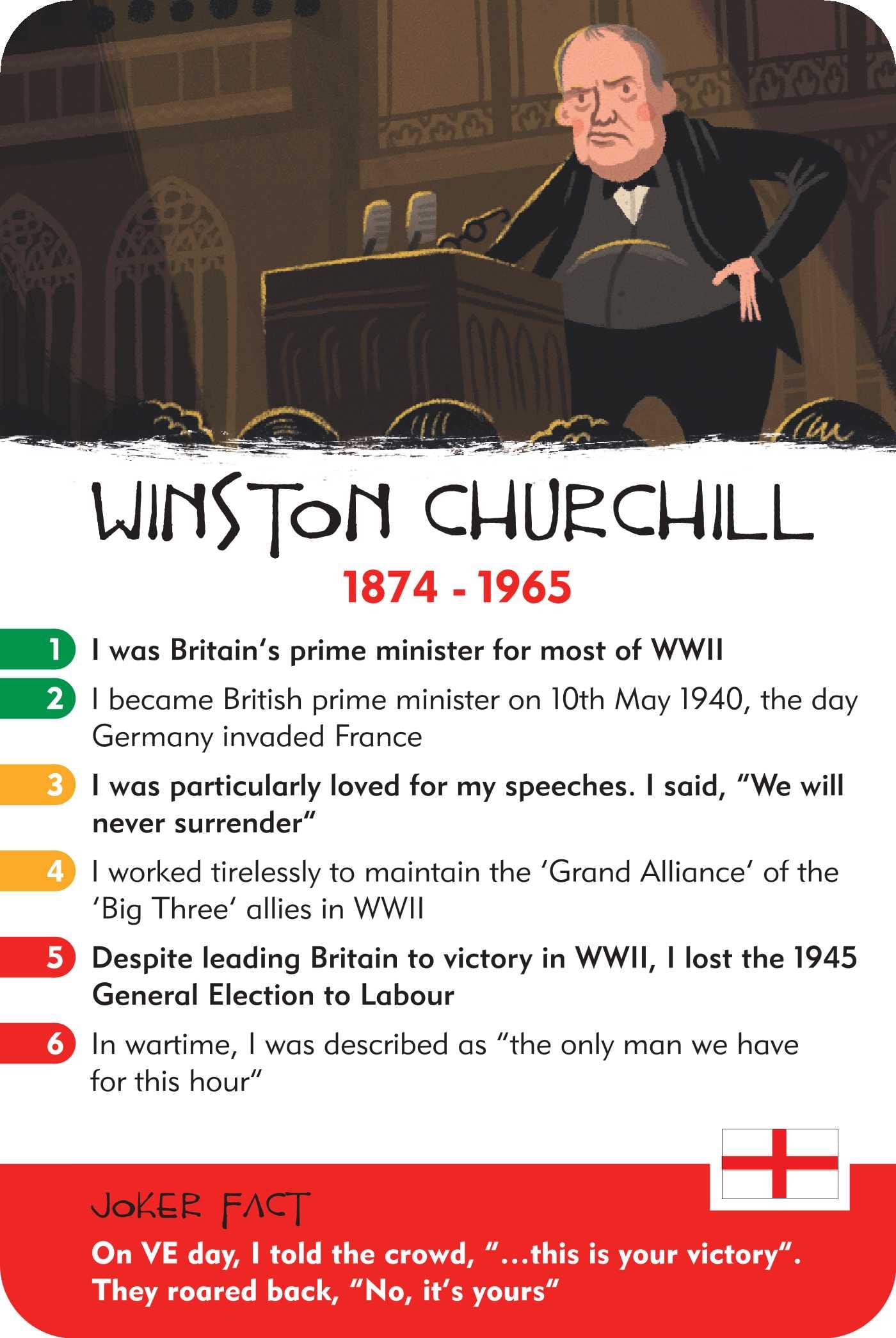 Winston Churchill was known for his rousing speeches, which inspired the British public. Arguably, Winston Churchill’s speeches are a big part of what makes him so memorable as a Prime Minister to this day. In an address to the House of Commons upon his appointment as Prime Minister in 1940, Winston Churchill said, ‘I have nothing to offer but blood, toil, tears and sweat’.
Perhaps his most famous wartime speech came in June of the same year, also in the House of Commons:
“We shall fight on the beaches, we shall fight on the landing grounds, we shall fight in the fields and in the streets, we shall fight in the hills; we shall never surrender, and even if, which I do not for a moment believe, this island or a large part of it were subjugated and starving, then our Empire beyond the seas, armed and guarded by the British fleet, would carry on the struggle, until, in God’s good time, the new world, with all its power and might, steps forth to the rescue and the liberation of the old.”
Read more of Winston Churchill’s famous words in this BBC News article!
On the 8th May 1945, now known as VE Day – Victory in Europe – Germany finally surrendered. Crowds cheered Winston Churchill in the streets. He told the crowd, “…this is your victory” they roared back, “No, it’s yours”.
Winston Churchill’s Defeat, Return and Retirement
Despite being a national hero, on the 5th July – just two months later, Winston Churchill’s government suffered their own defeat. The Labour Party, led by Clement Attlee won a decisive victory in the General Election on that day. Many voters admired Winston Churchill as a wartime leader but wanted change, stability and support in peacetime: all things Labour promised to deliver.
So, Winston Churchill suddenly became Leader of the Opposition. He continued to speak out on world affairs. For instance, he warned about the threat of communism in his famous “Iron Curtain” speech in 1946, which you can read on the National Archives website here. How much do you know about the Cold War? It lasted decades and affected everything from sports to the Space Race. Everything from technology to sports was a contest and ‘battle’ between the West and the Soviet bloc. There’s lots of fascinating facts and characters about the Cold War in our History Heroes SPACE Card Game!
In 1951, six years after Winston Churchill’s defeat, he returned to power for a second term. At this stage, his health was suffering and he sometimes struggled to keep up with the incredibly demanding role. Many people thought Winston Churchill was too old-fashioned for these more modern times, and thought he focussed too much on the British Empire. In 1955 Winston Churchill’s second term was up, marking the end of his extraordinary political career.
Winston Churchill played key roles in both world wars. Discover more about him in the History Heroes WORLD WAR ONE Card Game and the History Heroes WORLD WAR TWO Card Game!
Why is Winston Churchill Controversial?
Not everything Winston Churchill did was admired by the people.
Before his first term as Prime Minister, Winston Churchill opposed self-rule in India. He believed firmly in the importance of maintaining strong control of the British Empire. A terrible famine in Bengal in 1943 was made worse by the response of Winston Churchill and his government. They withheld wheat from starving Indians for the Allied troops and confiscated rice in case the advancing Japanese intercepted those supplies. Winston Churchill even passed some of the blame onto the Indian people, claiming that they were “breeding like rabbits”. The Bengal famine claimed millions of lives.
Other critiques of Winston Churchill include his support for the use of chemical weapons against those he called “uncivilised tribes”. It is well reported that even at the time, Winston Churchill’s views on race were considered extreme.
You can take a deeper dive into the controversies of Winston Churchil in this BBC News article.
Other ‘Great’ Prime Ministers
Winston Churchill’s leadership and victory during World War II made him a hero. But there are other Prime Ministers who are tough competitors for that top spot! Let’s take a look at a few of them.
 Robert Peel (Prime Minister 1834–1835, 1841–1846)
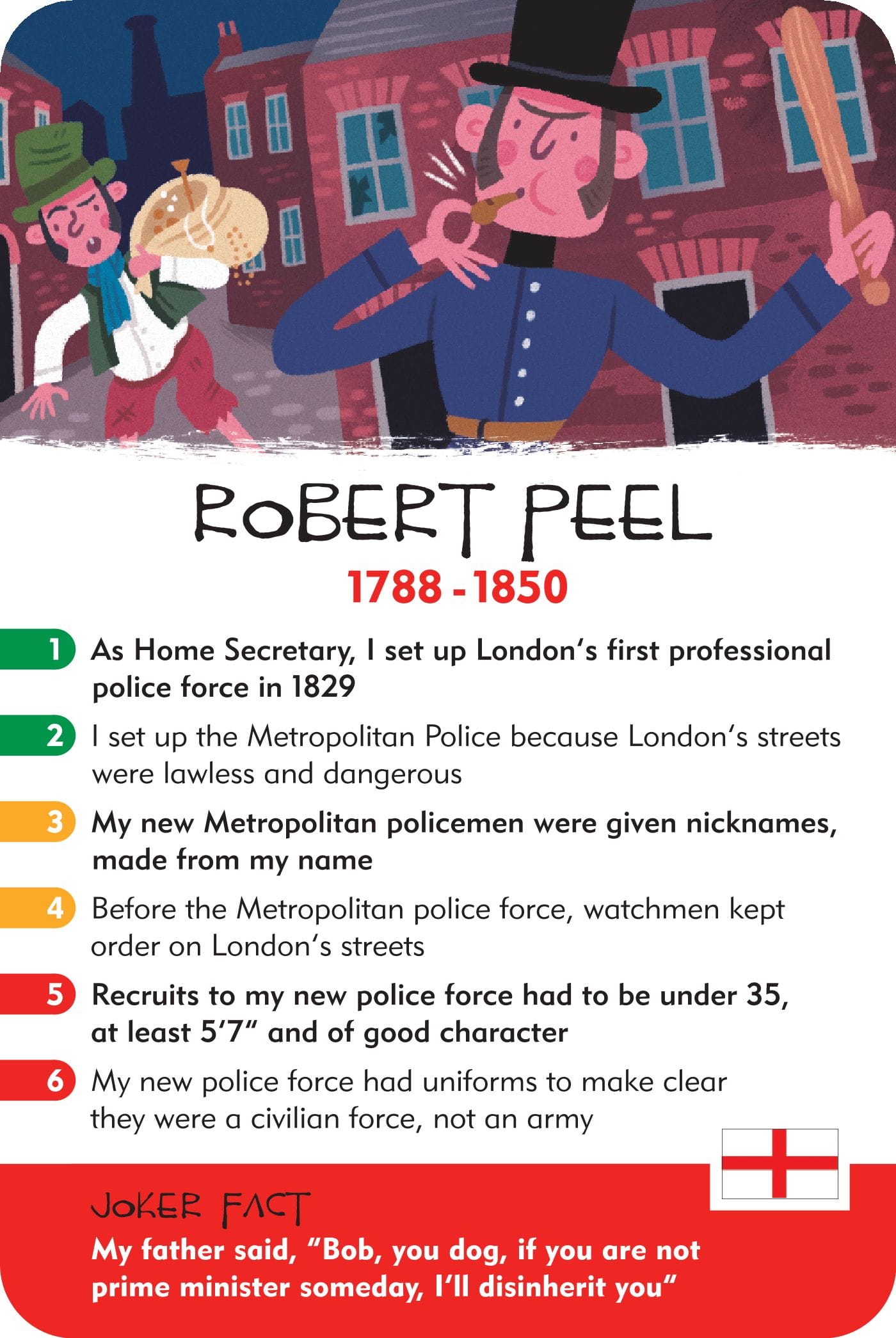
Robert Peel isn’t as well-known today as the likes of Winston Churchill but he played a key role in shaping the Britain we know today. Robert Peel founded the modern police force by setting up the Metropolitan Police as a response to viewing London’s streets as lawless and dangerous. Did you know that’s why police officers are sometimes called “Bobbies” or “Peelers”?!
As Prime Minister, Robert Peel was practical and driven by tackling social issues. His 1842 legislation, the Mines Act, banned the employment of women and children underground. Two years later, his 1844 Factory Act improved factory working conditions for women and children, limiting hours they could work. Robert Peel also lowered taxes and repealed the Corn Laws which were rules that kept food prices high. This decision helped poor people afford bread but deeply upset wealthy landowners, causing a backlash in the House of Commons. This move cost him support from his own party, and Robert Peel eventually resigned.
As a leader, Robert Peel showed great courage by sticking to what he thought was right, even when it hurt his political career. That sense of duty shared with Winston Churchill, alongside his determination to improve social conditions, is one reason he is considered a great Prime Minister.
Learn more about Robert Peel in the History Heroes LONDON Card Game.
Clement Attlee (Prime Minister 1945–1951)
Winston Churchill may have won the war, but Clement Attlee helped win the peace. After defeating Winston Churchill in the 1945 election, Clement Attlee built something new with the welfare state. Under his government, the National Health Service (NHS) was created, giving ordinary people access to healthcare. Clement Attlee and his government also strengthened education and housing, and helped to rebuild Britain after World War II. In fact, Clement Attlee nationalised one fifth of the British economy.
Clement Attlee’s leadership can be marked by rebuilding, strengthening and nationalisation. Whilst Winston Churchill’s wartime leadership undoubtedly made him one of the most significant Prime Ministers in history, Clement Attlee’s leadership also has important positive ripple effects to this day.
 Margaret Thatcher (Prime Minister 1979–1990)
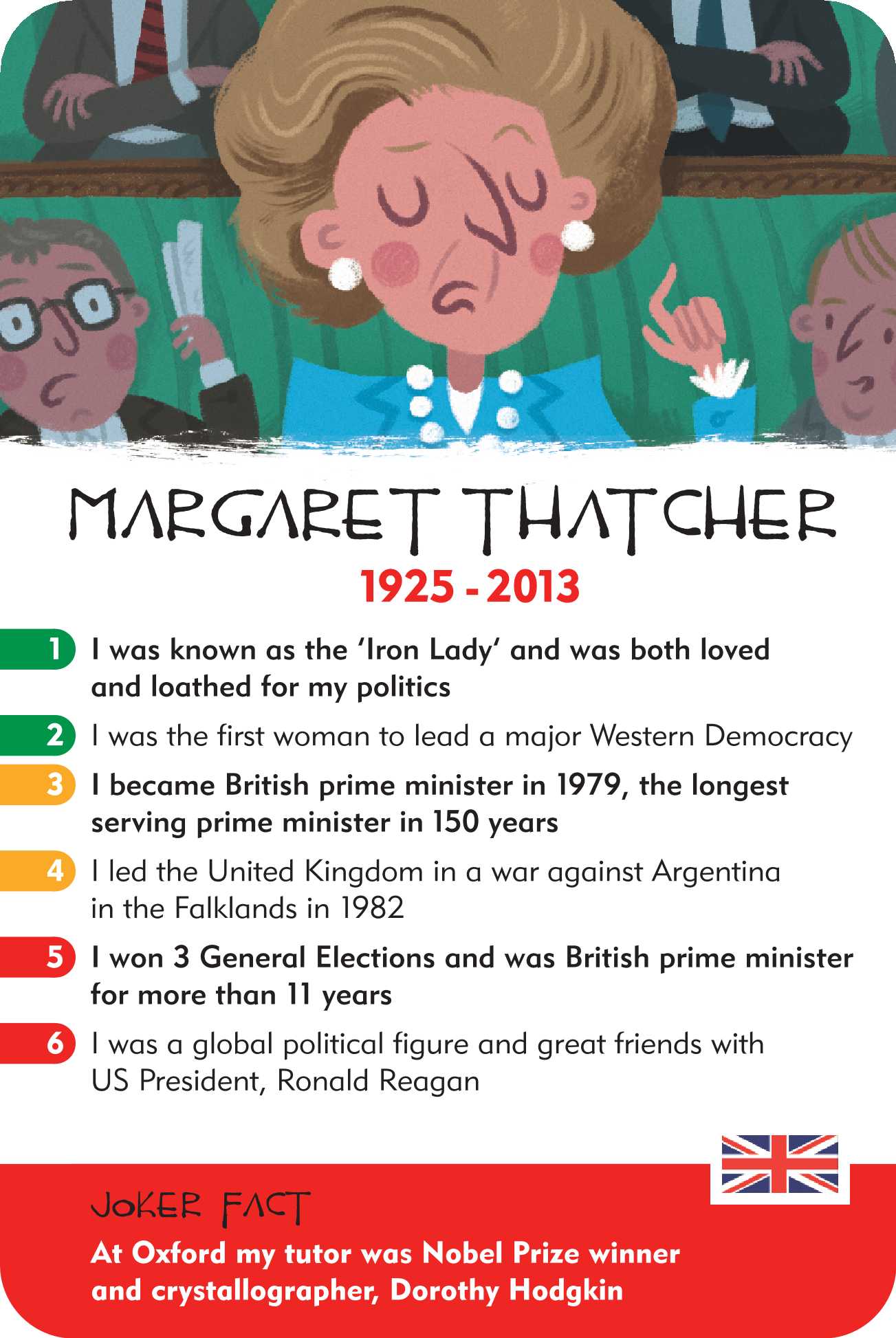
Two decades after the end of Winston Churchill’s second term, another strong and determined leader, Margaret Thatcher, came along. She was Britain’s (and Europe’s!) first female Prime Minister and was nicknamed “The Iron Lady” due to her tough and unyielding leadership style.
Margaret Thatcher believed in hard work, privatisation and less government control. She sold off many state-owned industries and reduced the power of trade unions. Many people admired her for bringing Britain out of a period of economic trouble in the 1970s. She also played a major role in strengthening international politics during the Cold War, with Soviet Union leader Mikhail Gorbachev praising their positive working relationship. Like Winston Churchill, Margaret Thatcher was a wartime leader. She made the risky decision to go to war in 1982 to protect the Falkland Islands from an Argentinian invasion. Margaret Thatcher’s swift and strong handling of The Falklands War bolstered her popularity.
However, like Winston Churchill, Margaret Thatcher also divided Britain. Millions of people lost jobs when her government closed industries like mining. Her response to the suffering and criticism from that was seen by many as uncaring. Section 28, legislation by Margaret Thatcher and her government that banned the ‘promotion’ of homosexuality particularly in schools also had a significant negative impact on the LGBTQ+ community. It wasn’t repealed until 2003 in England and Wales.
By the time Margaret Thatcher left office in 1990, Britain had certainly been transformed! To this day, opinions about her are sharply split, perhaps more than any Prime Minister in British History.
Learn more about Margaret Thatcher in the History Heroes WOMEN Card Game.
So, Was Winston Churchill the Greatest Prime Minister?
You may be expecting this answer… but it depends! Ultimately, it depends on what we mean by ‘great’.
If by ‘great’ we mean the most inspiring, then Churchill probably wins. His speeches, presence and strength during World War II helped to defeat Nazi Germany and instilled confidence in the British. If we take ‘great’ to mean the boldest, it might be a tie between Winston Churchill and Margaret Thatcher. The first female Prime Minister of the United Kingdom boldly reshaped Britain’s economy and politics, not without huge backlash. If greatness means someone who improved everyday life, then Winston Churchill has a competitor or two! Clement Attlee oversaw the creation of the National Health Service (NHS) and social reforms implementing the modern welfare state, whilst Robert Peel was a highly principled leader who set up the Metropolitan Police and advocated for the poor.
Winston Churchill was certainly a hugely important Prime Minister for a particular moment; one of the most crucial moments in modern history! That doesn’t mean that other Prime Ministers have failed to make their mark, though this has often been in quieter ways.
You’ll meet many of these politicians in History Heroes’ games and discover more about the people, who made and shaped history with and around them. History Heroes classic card games are jam-packed with fun facts, learning and entertainment for the whole family. Check out the games below with History Heroes mentioned in this article!
History Heroes WORLD WAR ONE Card Game
History Heroes WORLD WAR TWO Card Game
History Heroes WOMEN Card Game
History Heroes LONDON Card Game
Discussion Questions
- What makes someone a “great” leader? Is it bravery, kindness, strength, or something else?
- Do you think Winston Churchill would have been as famous if there hadn’t been a war?
- Which Prime Minister do you think changed everyday life in Britain the most and why?
- If you were Prime Minister, what would you want to be remembered for?
Article by Meg Edwards