
Animal War Heroes of World War One and World War Two
World War One and World War Two were hugely significant pieces of human history, with an enormous human sacrifice. But standing alongside the humans were thousands of animals, helping in ways big and small. Across the world, millions of animals have died in war, including millions of horses on the battlefields of World War One. There were also animals who contributed to the war effort in other ways. Some delivered messages, some warned of danger, some offered comfort and support.
Let’s meet some of the remarkable animal History Heroes who showed bravery, loyalty, and heart when the world needed it most.
World War One
 Cher Ami: The Hero Pigeon of World War One
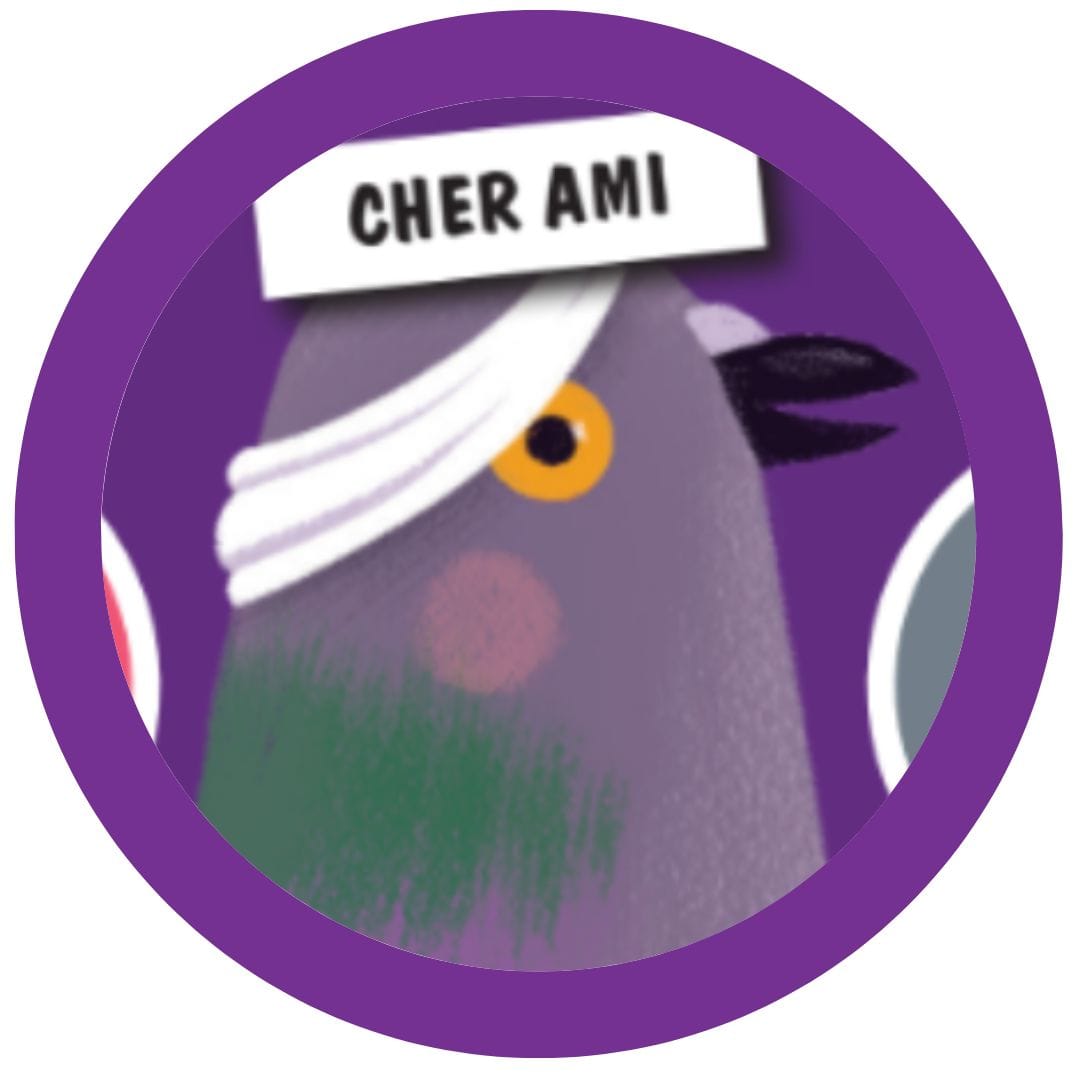
I saved American soldiers in World War One by delivering a message
During World War One, a homing pigeon named Cher Ami (or, ‘Dear Friend’) saved nearly 200 soldiers of the Lost Battalion in 1918. Can you imagine a pigeon saving that many lives? What a worthy History Hero. Despite being shot, blinded, and losing a leg, the inspirational Cher Ami delivered a message revealing the position of the Lost Battalion to the Allied forces. Following their rescue, Cher Ami was awarded the French Croix de Guerre for acts of bravery during combat, and proved that heroes can have feathers!
 Glow Worms in World War I: Tiny Lights in the Trenches
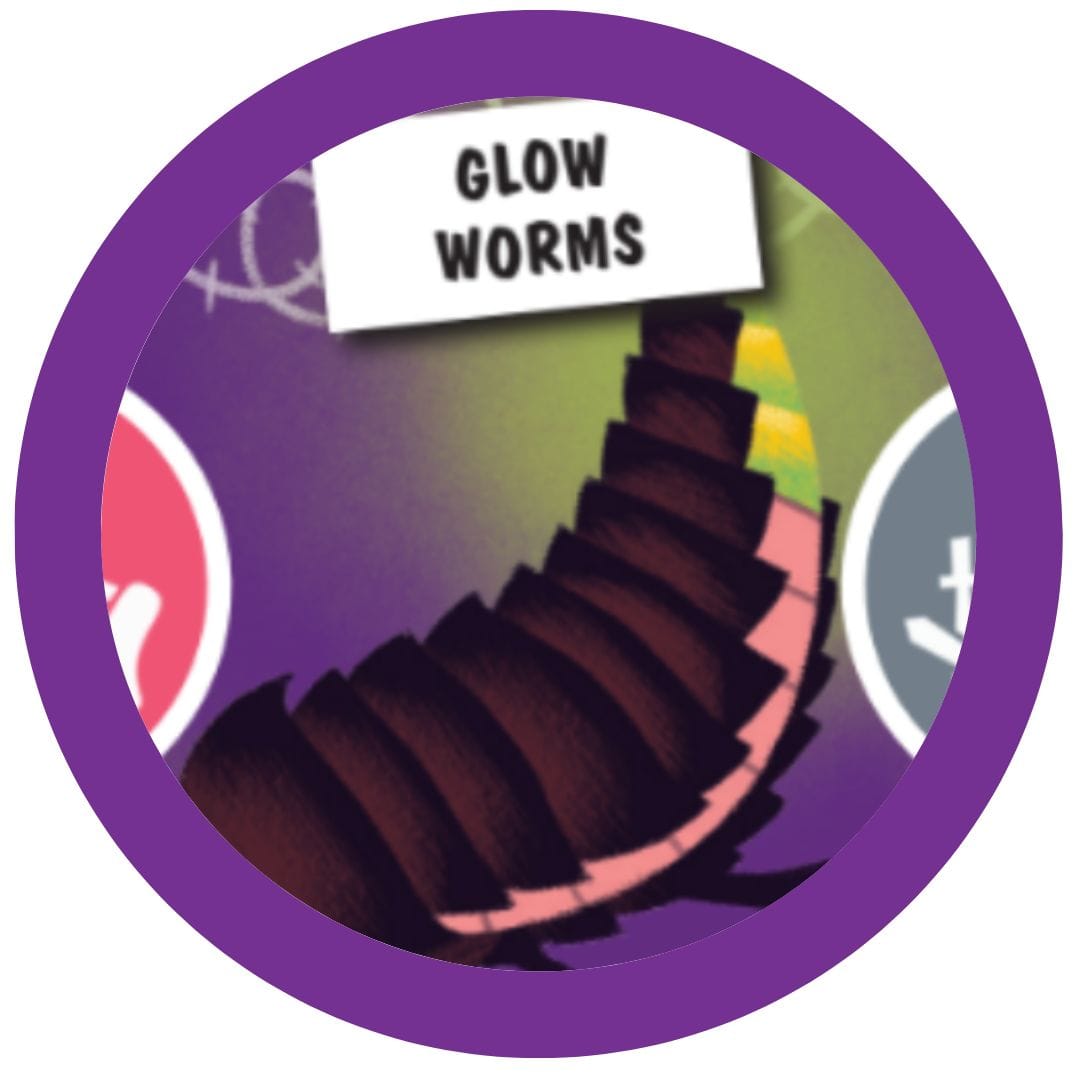
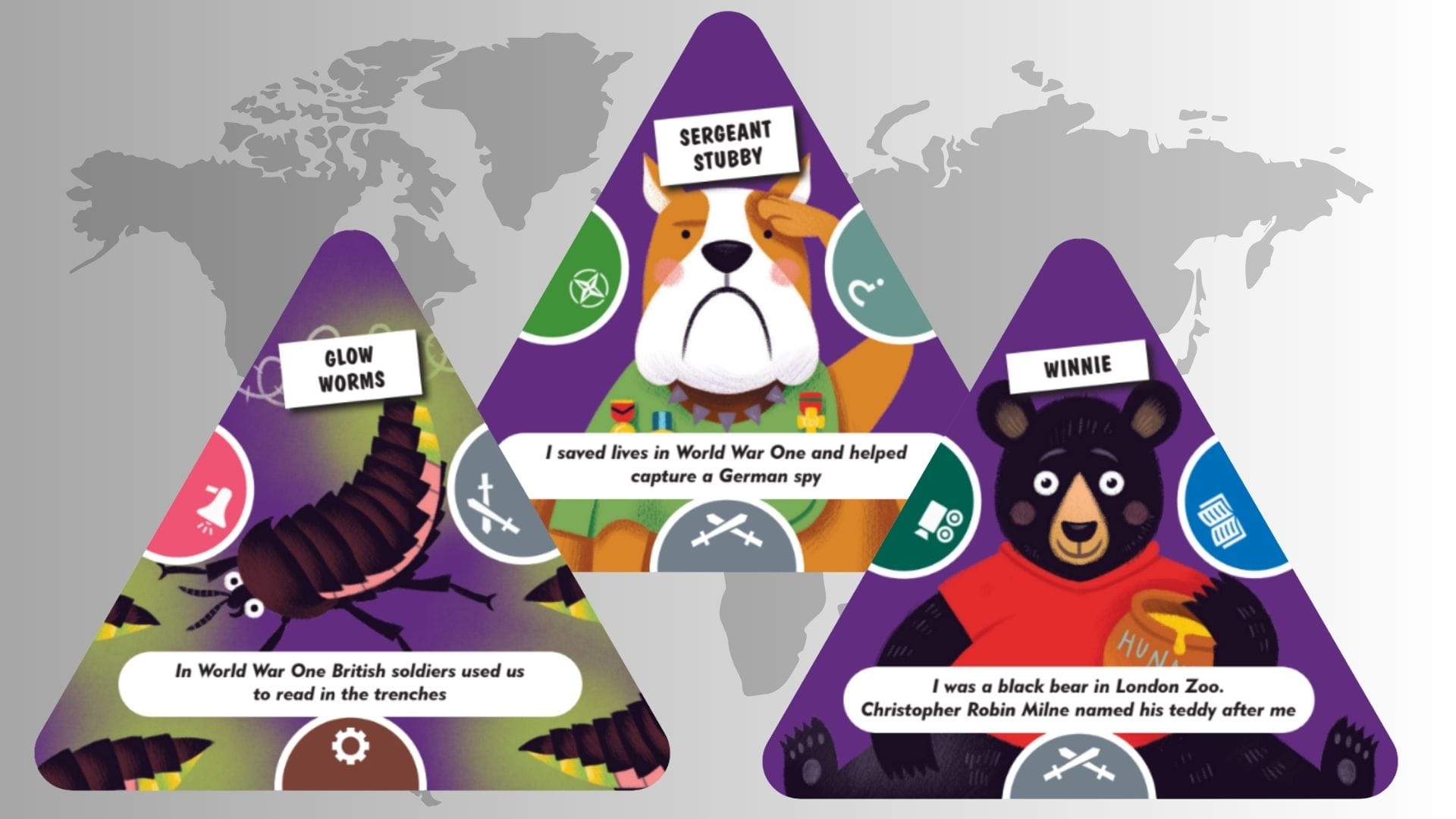
In World War One British soldiers used us to read in the trenches
British soldiers in World War One discovered that glow worms emitted enough bioluminescent light to read maps in dark trenches. Soldiers collected the glow worms in jars, turning the insects into living lanterns. What clever technology to use in war. These tiny History Heroes shone a bright light… literally! The Glow Worms in World War One show that even the smallest creatures can offer light in humanity’s darkest moments.
 Rin Tin Tin: The Dog Who Saved Hollywood
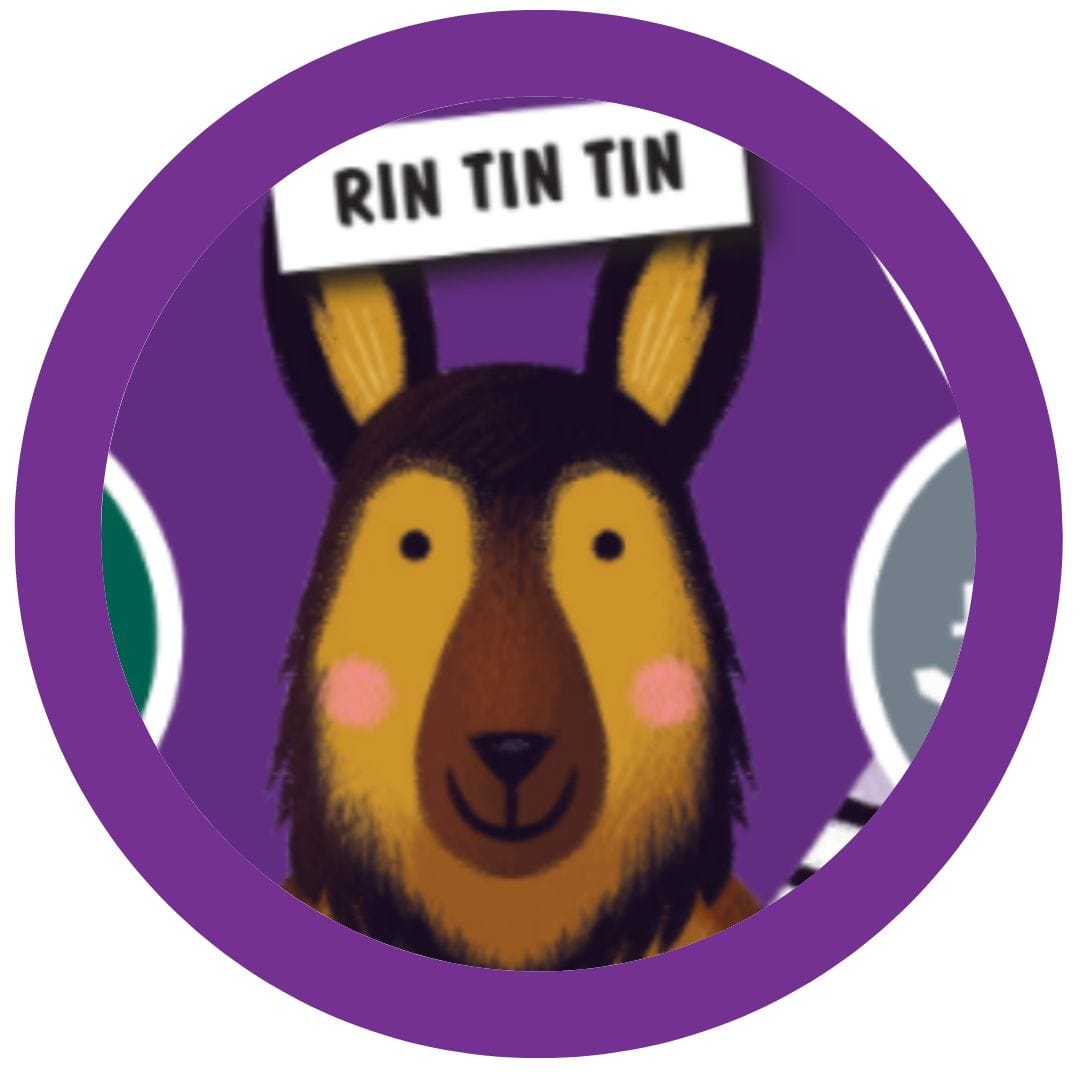
I was so popular a film star in the 1920s that I was said to have ‘saved Hollywood’
Found on a World War One battlefield, Rin Tin Tin was a male German Shepherd who became one of Hollywood’s first canine stars. Rin Tin Tin appeared in dozens of silent films throughout his screen career and is said to have been responsible for reviving Warner Bros studios in the 1920s. When Rin Tin Tin died in 1932, the nation mourned. He was even honoured with a star on the Hollywood Walk of Fame. Rin Tin Tin was the original good boy of cinema, and a worthy History Hero.
 Sergeant Stubby: The Dog with a Military Record
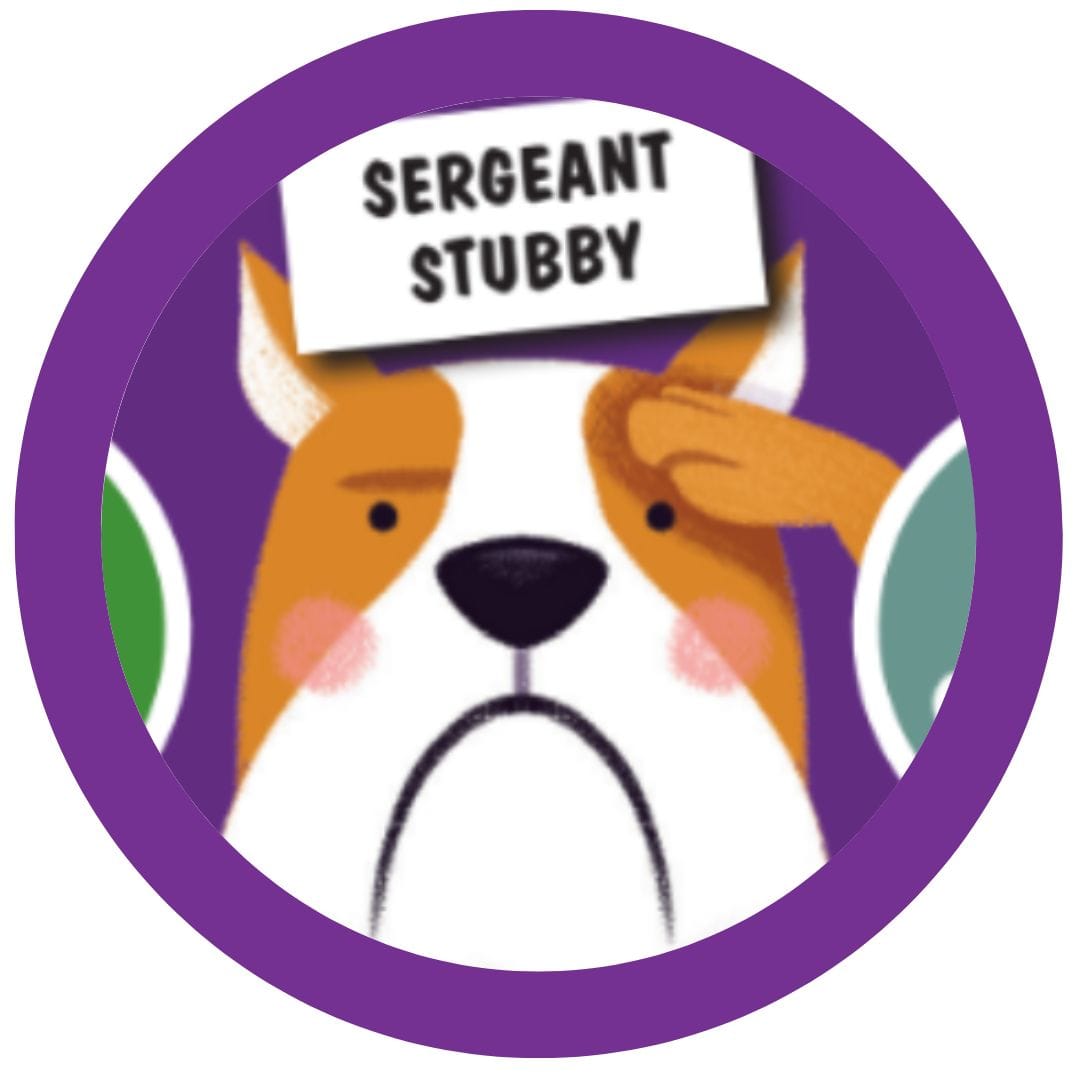
I saved lives in World War One and helped capture a German spy
Sergeant Stubby is possibly the most famous canine war hero. As a puppy, he was found wandering across an army training session in Connecticut in 1917 when one soldier Corporal Robert Conroy took him under his wing. Conroy named him Stubby because of his short tail, and smuggled him on the ship to France to fight with him. Sergeant Stubby went on to partake in many battles including the Battle of Marne and the Battle of Chateau-Thierry, warning soldiers of gas attacks and capturing a German spy. Following his service, Sergeant Stubby became a highly decorated pup, marching in parades and even meeting presidents! Sergeant Stubby died in his sleep in 1926 after a remarkably heroic life, and his obituary was published in the New York Times.
 Tirpitz: The Wartime Pig Who Survived a Sinking Ship
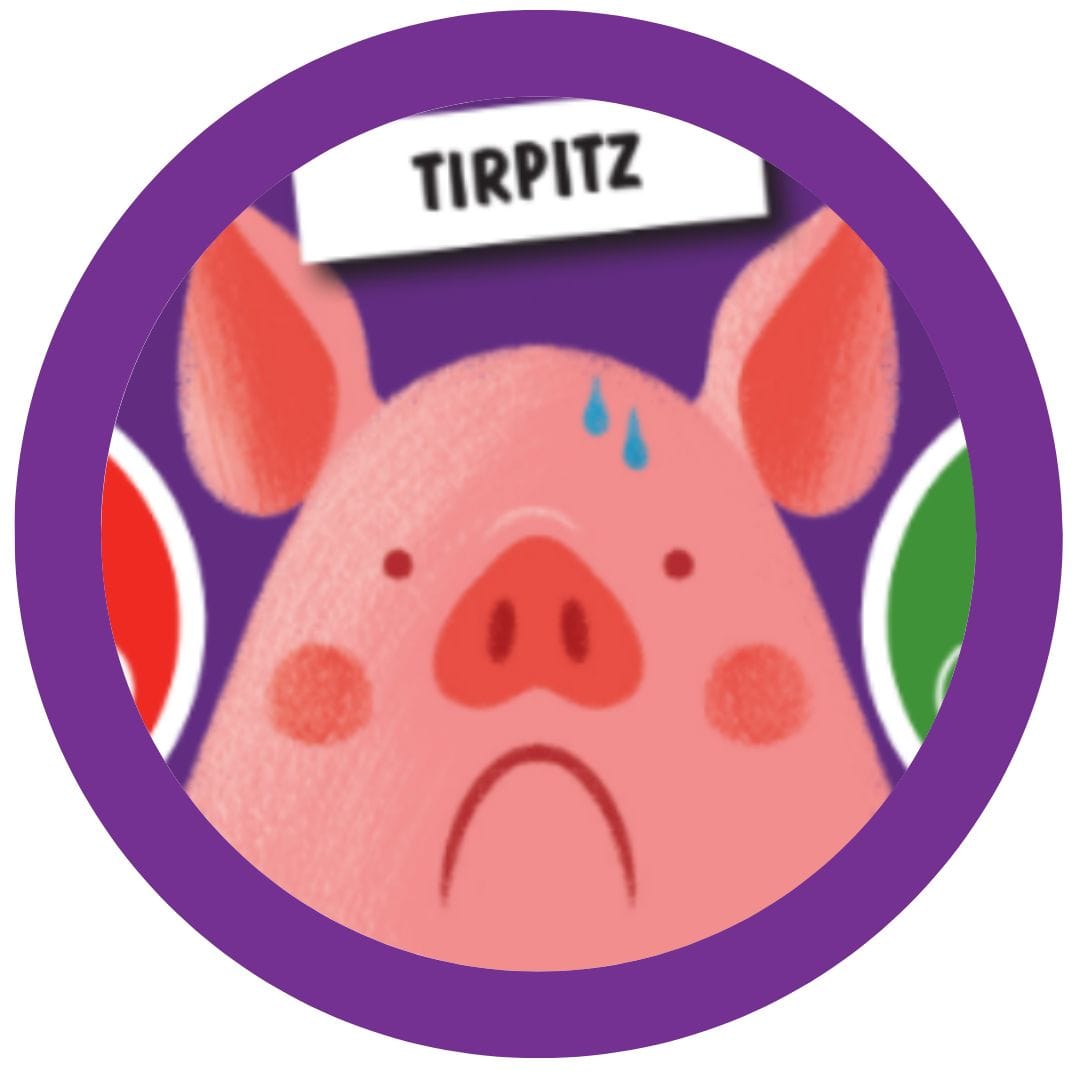
HMS Glasgow rescued me in 1915, swimming from a sinking German boat
During World War One, as a German ship was sinking, the ship’s mascot pig jumped into the water and was rescued by HMS Glasgow. The navy men on board named her, rather cheekily, after the head of the German navy, Admiral Alfred von Tirpitz. Adopted by the Royal Navy, Tirpitz the pig became a mascot for a second time… this time for the British! In 1917, Tirpitz was sold at auction raising approximately £20,000 in today’s money for the Red Cross. What a worthy piggy hero!
 Winnie the Bear: The Inspiration Behind Pooh
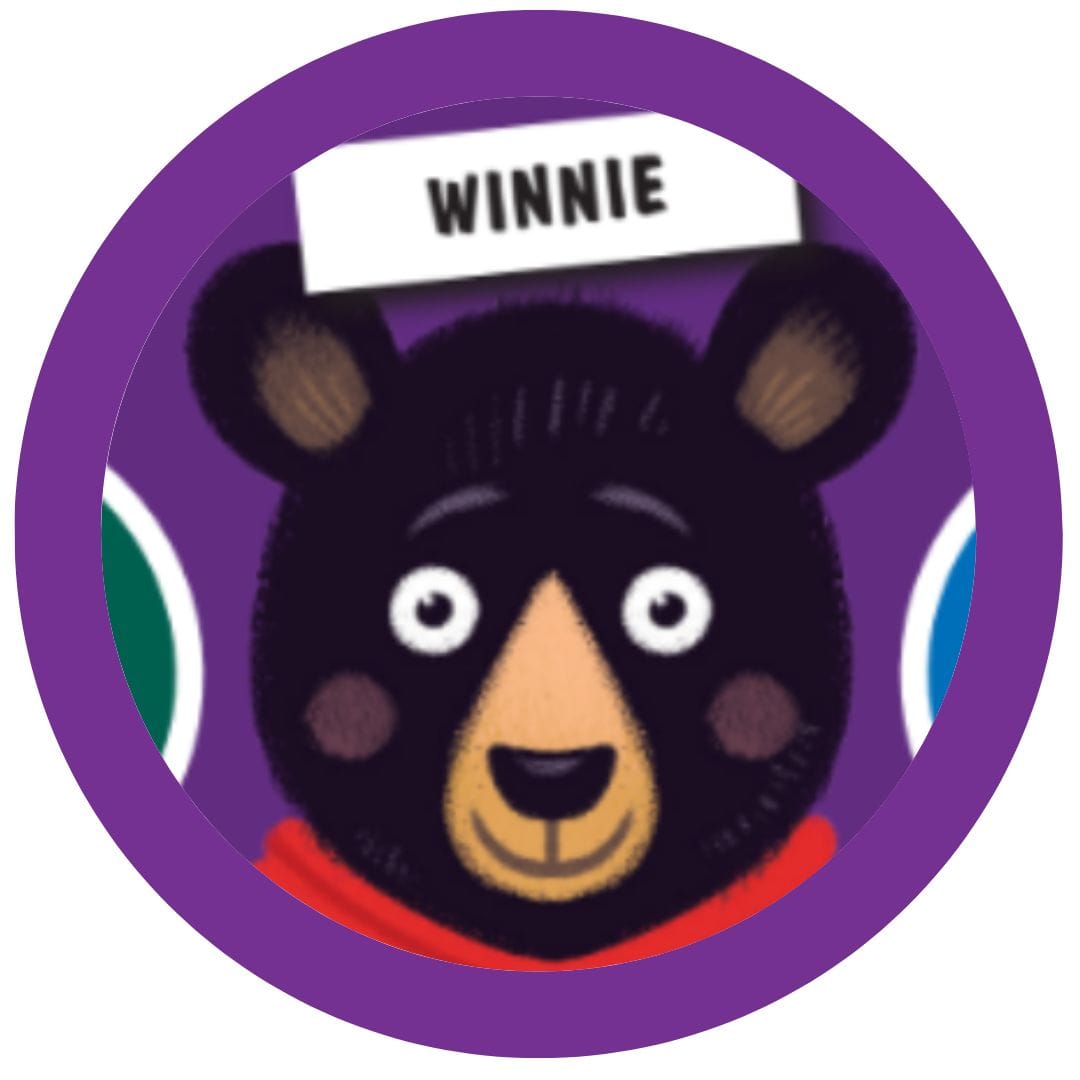
I was a black bear in London zoo. Christopher Robin Milne named his teddy after me
In 1914, a Canadian soldier Harry Colebourn brought a female black bear cub named Winnie (short for Winnipeg, a city in Canada) to England for his regiment’s training at the start of World War One. When Harry Colebourn was forced to leave Winnie in London upon his deployment to France, he couldn’t have predicted the impact this amazing bear would have on literature, popular culture, and the people of London. Winnie was left in the care of London Zoo in December of the same year. Among her regular visitors at London Zoo was A.A Milne and his son, Christopher Robin Milne. The little boy named his teddy bear Winnie, inspiring his father to write the 1926 story Winnie-the-Pooh, and the rest is history.
World War Two
 Sheila: The Elephant who Survived the Belfast Blitz
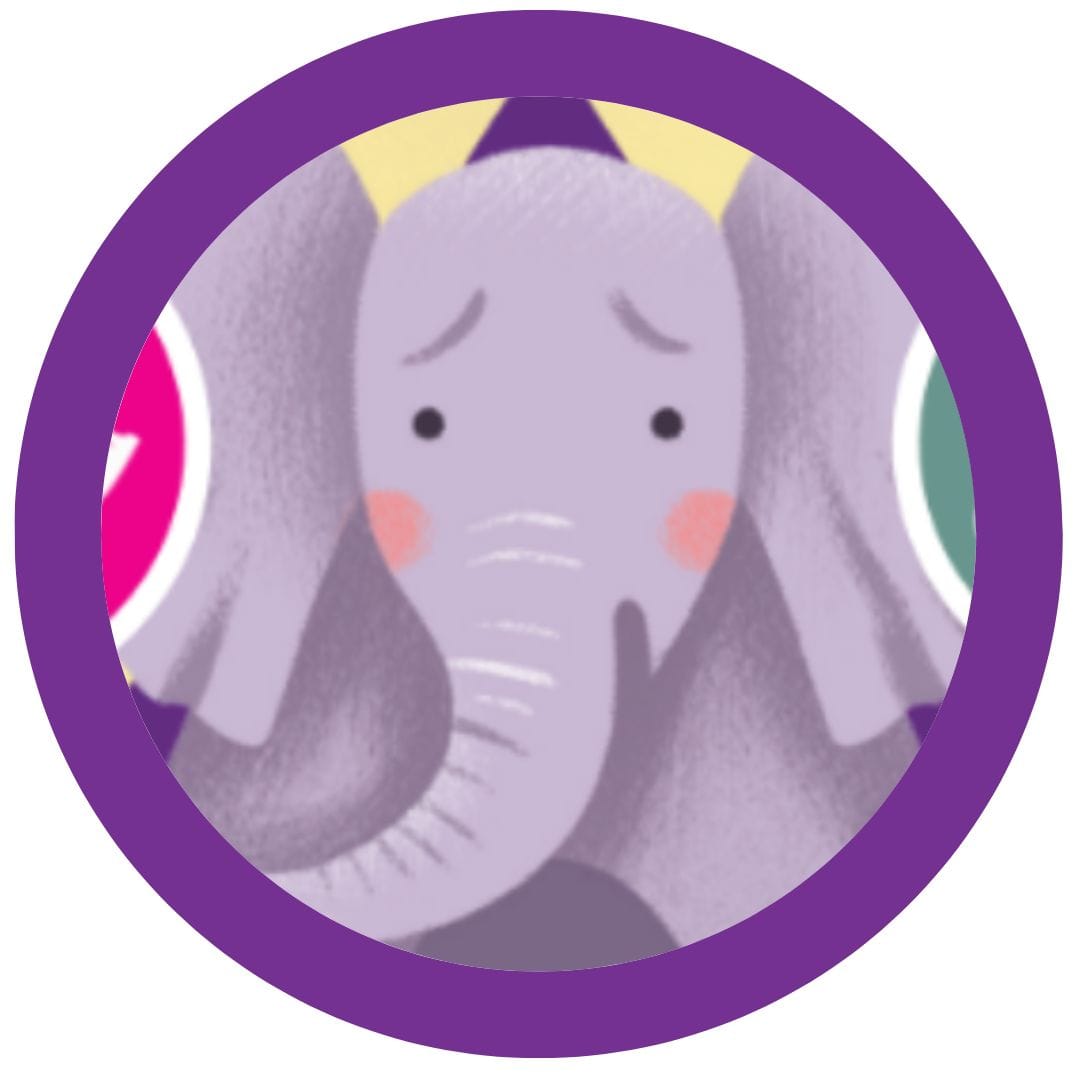
My zookeeper protected me in her home during the Belfast Blitz
In 1941, a series of German air raids targeted Northern Ireland. This was the Belfast Blitz. As well as humans being in danger, animals were too. At Belfast Zoo in North Belfast, several animals were put down to avoid them escaping and hurting themselves or other people. Zookeeper Denise Austin, one of Belfast Zoo’s first female zookeepers, made the decision to take Sheila the Elephant to her home to protect her! Each evening when the head zookeeper left work, Denise took Sheila the Elephant from her enclosure and walked back to her home for the evening. Sheila slept in the garage at night, could be found enjoying the garden and even chasing a dog through a fence into a neighbour’s garden. Sheila the Elephant survived the Belfast Blitz and continued to live at Belfast Zoo for years following World War Two. Sheila the Elephant even inspired former Children’s Laureate Michael Morpurgo’s book ‘An Elephant in the Garden’ published in 2010.
 Smoky the Dog: The Tiny World War Two Hero
In World War Two I became the first recorded therapy dog, visiting wounded soldiers
Smoky was a tiny Yorkshire terrier who was found in a foxhole in New Guinea during World War Two. Corporal Bill Wynne, a then 22 year old American adopted her, and so began the start of an incredible life for the tiny hero. Smoky’s size was perfect to run communication wires through small spaces, setting up a communication network for soldiers in the Philippines. The setting up of this network led to vital information being passed, and so Smoky is credited with saving 250 men and 40 planes! Over the next year, Smoky would go on to survive 12 combat missions with her Corporal partner. Perhaps her biggest paw print was left on the hearts of recovering soldiers. Smoky became a well known therapy dog touring hospitals and having a positive impact on the healing process, well beyond the end of World War Two. Smoky retired in 1955 and died in her sleep two years later at the age of 14.
 Unsinkable Sam: The Cat With Many Lives
I am said to have survived 3 shipwrecks in World War Two
Unsinkable Sam, sometimes referred to as Oscar, was a ship’s cat said to have served on three ships during World War Two. All three ships carrying the feline sailor sank, and Unsinkable Sam (you guessed it!) survived each one. Whether he used up all 9 lives or just these 3, he must have been very frustrated to find himself struggling for survival in the ocean on more than one occasion. After World War Two Unsinkable Sam returned to a normal life on land, and became a legend of sea faring. The real story of Unsinkable Sam is disputed, but his remarkable tale of survival lives on.
Wojtek the Bear: The Polish Soldier
The 2nd Polish Corps adopted me and made me a private in World War Two
During World War Two, Polish troops of the 2nd Polish Corps adopted a Syrian brown bear after his mother was shot by hunters. They called the bear Wojtek, and he travelled with the 2nd Polish Corps from the Middle East as they were deployed into Italy. Wojtek became famous for blending in with his fellow soldiers, carrying ammunition, boxing with his human friends, drinking beer and even smoking cigarettes! After the war, he was moved to Edinburgh Zoo and with a large statue in the city centre, is now a national hero for both Poland and Scotland who had forged close ties during World War Two.
These animals did extraordinary things in extraordinary times. Some saved lives directly, others lifted spirits, and all left their paw prints on history! Their stories remind us that heroism isn’t strictly human.
Learn more about the 50 greatest animals in history in our card game, A LITTLE SLICE OF ANIMAL HISTORY.